The Pathophysiology of Adrenal-Driven Hirsutism
The adrenal glands are responsible for producing a significant portion of circulating androgens in the female body. Under conditions of chronic sympathetic dominance, the adrenal cortex undergoes a process of functional hyper-responsiveness. This leads to an over-secretion of androgens that act on the pilosebaceous unit of the skin, converting vellus hair into dark, terminal hair.
Standard pharmacological interventions often rely on androgen blockers, which may carry systemic side effects. Clinical Yoga, as a form of Restorative Endocrinology, offers a non-invasive pathway to modulate the adrenal feedback loop. By stimulating the Vagus Nerve and utilizing specific musculoskeletal alignments, we can manually trigger the parasympathetic nervous system to inhibit the ACTH-driven androgen surge.
1. Adrenal Decompression: Prone Extension (Dhanurasana Variation)
The first pillar of our protocol focuses on the physical "massage" of the adrenal region. When performing a clinically-aligned prone extension, the intra-abdominal pressure is increased in a controlled manner, specifically targeting the retroperitoneal space where the adrenal glands reside.
By holding a modified Dhanurasana (Bow Pose) with a focus on deep diaphragmatic breathing, we create a rhythmic compression and release cycle. This "vascular flush" improves the oxygenation of the adrenal cortex, helping to clear the metabolic precursors that drive excess testosterone production. This is a vital remedy for women experiencing idiopathic hirsutism alongside high stress markers.
2. Pituitary-Adrenal Axis Stabilization: Modified Sarvangasana
The pituitary gland is the master regulator that signals the adrenals to produce hormones. Inversion-based movement science utilizes gravity to redirect blood flow toward the upper endocrine centers. By practicing a prop-assisted Sarvangasana (Shoulder Stand), we stimulate the baroreceptors in the neck, which signals the brain to lower the sympathetic output.
This biological reset is essential for regulating the secretion of adrenocorticotropic hormone (ACTH). When ACTH levels are stabilized, the "order" to produce excess androgens is rescinded at the source. This is the hallmark of Clinical Yoga in Varanasi—using gravitational hemodynamics to achieve results that are measurable in follow-up blood panels.
3. Vagal Induction for Androgen Suppression: Chandra Bhedana
The final stage of the hirsutism protocol is the modulation of the nervous system through Chandra Bhedana (Left Nostril Breathing). The left nostril is neurologically linked to the "Ida Nadi" and the parasympathetic nervous system. Clinical data indicates that activating this channel leads to a significant drop in systemic vascular resistance and a reduction in serum cortisol peaks.
Because cortisol and adrenal androgens are often produced in tandem, lowering the cortisol peak naturally creates a "quiet" environment for the adrenals to recover. This prevents the "androgen spikes" that typically occur during high-stress periods, thereby slowing the progression of facial hair growth at the follicular level.
Clinical Methodology: Why Precision Trumps Intensity
Generic exercise can often be counterproductive for hirsutism. High-intensity interval training (HIIT) can actually cause a massive spike in adrenal androgens in sensitive individuals. As a BHU Research Scholar, I advocate for "Biological Scaling." Our movements are designed to be low-impact but have high biological value, ensuring that we do not trigger the very stress response we are trying to cure.
Integrating Ayurvedic Biological Principles
To complement these three poses, we integrate Ayurvedic Ahara. We recommend incorporating "Tikta" (bitter) elements like spearmint tea, which has been clinically shown to reduce free testosterone levels. When these nutritional bio-hacks are paired with our 21-session yoga protocol, the cumulative effect on the pilosebaceous unit results in finer, lighter hair growth and improved skin integrity.
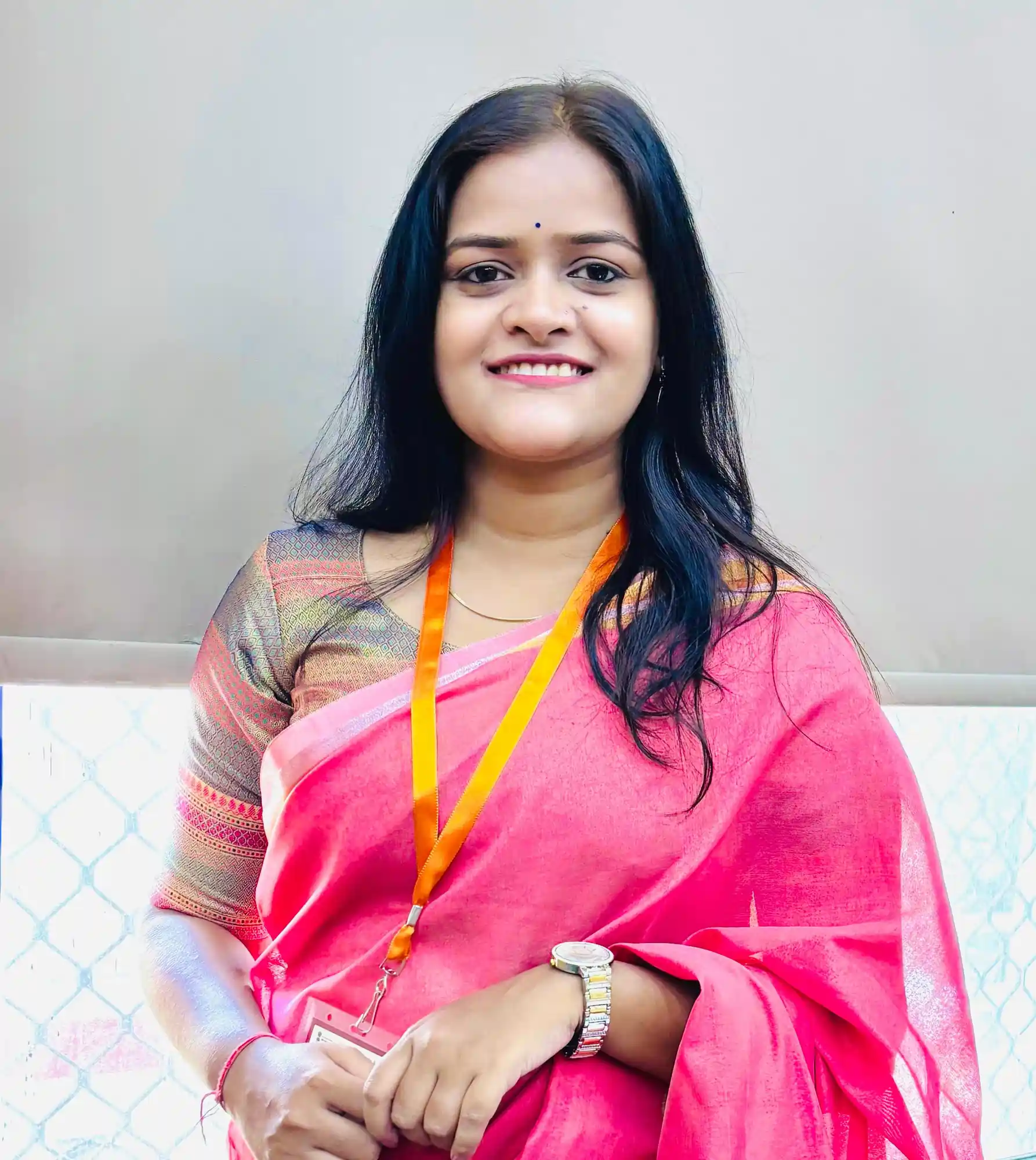
About Shringarika Mishra
Gold Medalist (University of Patanjali) & NET JRF (AIR 2). Research Scholar at Banaras Hindu University (BHU). With over 11 years of experience and 16 published research papers, she and her team at Sir Sunderlal Hospital (BHU) provide evidence-based clinical yoga for patients globally.
Medical Disclaimer: The information provided in this research-based article is for educational purposes only and is not a substitute for professional medical advice, diagnosis, or treatment. Endocrine conditions like hirsutism require clinical oversight. Always consult with your endocrinologist before starting a new physical protocol.