The Pathophysiology of Menstrual Exhaustion
During the early follicular phase, the body undergoes a significant inflammatory response to initiate the shedding of the endometrium. This process utilizes substantial metabolic resources, often leaving the individual with limited ATP availability for high-impact activity. Furthermore, Pelvic Hemodynamics are altered; blood tends to pool in the reproductive tract, creating a sensation of heaviness and dull lower back pain.
Conventional exercise during these "zero energy" days can often trigger a rebound cortisol spike, which paradoxically increases the perception of pain and fatigue. As a BHU Yoga Specialist, my focus is on using the sofa as a clinical prop to achieve mechanical advantage. By utilizing supported inversions and lateral expansions, we can assist the lymphatic system and encourage venous return, effectively "re-oxygenating" the brain and limbs while remaining in a state of physical repose.
The 10-Minute "Sofa" Clinical Sequence
This protocol is designed to be performed entirely on a supportive sofa, emphasizing Vagal Tone stimulation and myofascial release.
1. Supported Supta Baddha Konasana (3 Mins)
Rest your back against the sofa cushions with your feet on the sofa, knees falling open. This posture targets the Internal Iliac Arteries. By opening the pelvic bowl without muscle engagement, we reduce the intra-abdominal pressure that contributes to dysmenorrhea. This allows for increased oxygenation to the uterine wall, which can help in the efficient clearance of prostaglandin buildup.
2. Lateral Costal Expansion (2 Mins)
Sitting sideways on the sofa, use the armrest to support a gentle side bend. In many women, period fatigue is compounded by "thoracic guarding"—shallow breathing due to abdominal discomfort. Expanding the intercostal muscles improves tidal volume and signals the nervous system to move from Sympathetic dominance into Parasympathetic recovery.
3. Modified Viparita Karani (5 Mins)
Lie on the floor with your legs resting up the front of the sofa. This is the ultimate clinical remedy for period-induced "limb heaviness." Gravity assists the venous return from the lower extremities, reducing the workload on the heart. This inversion also stimulates the baroreceptors, which helps in managing the slight blood pressure fluctuations that contribute to "period brain fog."
Vagal Tone and Pain Modulation
The Vagus Nerve acts as a biological brake. During your period, the nervous system is often "on edge" due to systemic inflammation. By utilizing the 10-minute protocol, we focus on Lunar Breathing (Chandra Bhedana) while in these supported shapes. This specifically targets the Parasympathetic nervous system, releasing anti-inflammatory cytokines that can naturally lower the perception of cramp intensity.
In Varanasi, at our clinical batches, we emphasize that "Yoga is not about the shape of the body, but the shape of the internal environment." On days when energy is low, the priority is Restorative Endocrinology—giving your glands the space to recalibrate without adding the stress of a formal workout.
Integrating Ayurvedic Wisdom for Fatigue
To support this 10-minute routine, Ayurveda suggests managing the Apana Vayu—the downward-moving energy. We recommend sipping warm infusion of ginger and fennel during the menstrual phase. These "bitter" and "pungent" elements assist the Jatharagni (metabolic fire) which often dampens during the period, contributing to that feeling of zero energy.
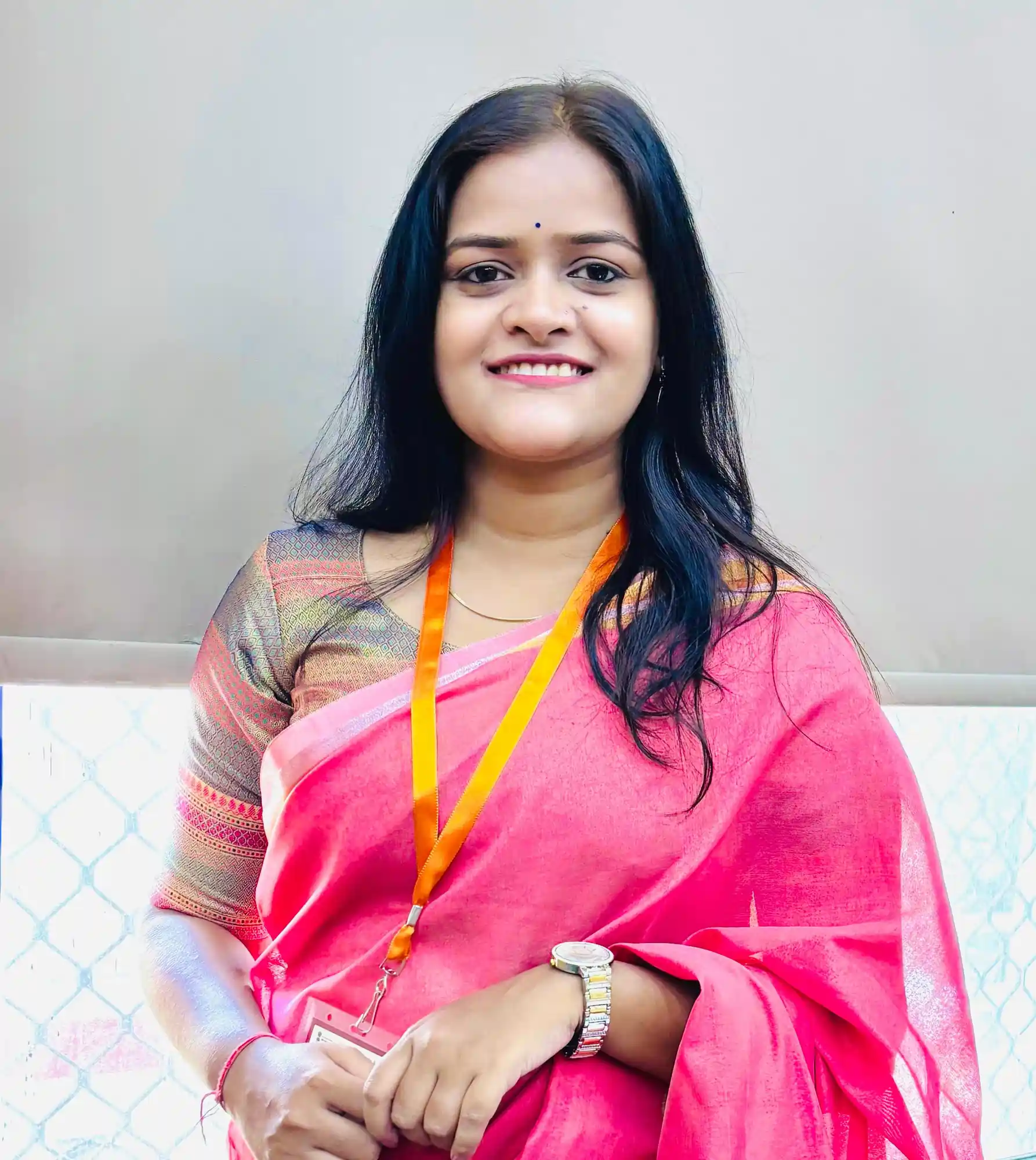
About Shringarika Mishra
Gold Medalist (University of Patanjali) & NET JRF (AIR 2). Research Scholar at Banaras Hindu University (BHU) specializing in Clinical Yoga for PCOS and Infertility. With 11+ years of experience and 16 published research papers, she provides evidence-based recovery for global and local patients.
Medical Disclaimer: The clinical data and protocols provided in this article are for educational purposes based on research conducted at BHU. This information is not a substitute for professional medical advice, diagnosis, or treatment. Always consult with your gynecologist before starting a new yoga protocol, especially when managing chronic endocrine or reproductive conditions.