Finding more hair than usual in your shower drain, on your hairbrush, or noticing your hair parting get wider can feel deeply discouraging. When hair thinning happens—especially if it is tied to hormonal challenges like PCOS—it is very easy to feel panicked. Many women spend fortunes on expensive chemical shampoos, oily serums, or hair supplements, only to find that the thinning keeps happening from the inside anyway.
During my clinical research work at Banaras Hindu University (BHU), I looked past the complicated medical names to find the real root cause of hair loss. Here is the simple truth: your hair roots are like tiny plants. If the soil is dry and no water reaches them, they shrink and stop growing. When you are constantly stressed or dealing with hormonal imbalances, your body pulls warm, nutrient-rich blood away from your scalp to feed your survival systems instead. This article will explain in simple, plain English how to use gentle yoga movements to guide blood flow straight back up to your scalp, feed your hair roots with oxygen, and encourage your hair to grow back thick, strong, and healthy.
The Root Problem: Why and When Hair Begins to Thin
To stop hair fall for good, we have to look underneath the scalp. Your hair growth cycle is directly controlled by two main factors: how calm your mind is, and how well blood is moving to the top of your head.
| What Happens in the Body |
Why It Ruins Hair Growth |
How Gentle Yoga Solves It |
| High Daily Stress & Rushing |
Releases stress chemicals that shock hair roots into a sleeping phase prematurely. |
Calms down your survival brain, telling your body it is completely safe to grow hair again. |
| Tight Neck & Shoulder Muscles |
Squeezes blood vessels, blocking vital nutrients from reaching the top of your head. |
Gently opens up tight shoulder knots, clearing the path for blood to travel upward. |
| Hormonal Imbalances (Like PCOS) |
Elevated male hormones shrink the hair follicle until it stops producing new strands. |
Balances your internal glands naturally through soft, restorative inverted postures. |
According to health insights from global organizations like the World Health Organization (WHO), mental pressure is one of the biggest hidden accelerators behind sudden hair shedding in women. When you treat your body with aggressive exercises or live in a constant rush, you are inadvertently signaling your hair roots to go into hibernation. By practicing gentle, calming movements where your head rests lower than your heart, you can turn that trend around and awaken those sleeping hair roots.
5 Simple Daily Yoga Poses for Thicker Hair
You can easily practice these five comforting poses on your yoga mat or a soft blanket at home. Remember to breathe slowly and deeply through your nose during every pose.
1. Downward Facing Dog (Adho Mukha Svanasana)
How Long to Hold: Stay here comfortably for 1 to 2 minutes.
How to Do It: Come down onto your hands and knees. Gently press your palms flat into the mat, lift your hips high into the air, and extend your legs straight behind you so your body looks like an upside-down 'V' shape. Let your head hang completely loose and heavy between your arms, looking toward your toes.
Why it helps your hair: Because your head is hanging down, gravity naturally guides a fresh, warm wave of blood and oxygen straight into your scalp. Relaxing your neck in this position also opens up the tight shoulder path that usually bottlenecks blood circulation.
2. Standing Forward Fold (Uttanasana)
How Long to Hold: Keep this position soft for 1 to 2 minutes.
How to Do It: Stand up tall with your feet slightly apart. Take a deep breath in, and as you breathe out, gently fold forward from your waist. Let your upper body, arms, and head hang down completely loose towards the ground like a ragdoll. Keep a soft bend in your knees so your lower back feels zero strain.
Why it helps your hair: This pose acts as an immediate natural flush for your scalp. Holding it lets the tiny blood vessels in your skin open up completely, washing away accumulated stress and delivering essential vitamins right to your hair bulbs.
3. Supported Shoulder Stand (Sarvangasana)
How Long to Hold: Practice gently for 1 minute (or use a wall for support).
How to Do It: Lie flat on your back. Lift your legs and hips off the floor, bringing your hands to your lower back for support while keeping your elbows tucked under you. If this feels too difficult, simply sit sideways next to an open wall, roll onto your back, and swing your legs straight up against the wall while keeping your hips on a soft cushion.
Why it helps your hair: Traditional wisdom calls this the king of poses for internal balance. It directly soothens and balances your master hormonal glands, which is essential to block the internal pathways that cause hair follicles to shrink.
4. Rabbit Pose (Sasakasana)
How Long to Hold: Stay here for 30 to 60 seconds.
How to Do It: Kneel down on your knees and sit back on your heels. Reach back and hold onto your heels with your hands. Gently bow your head forward until the very top of your head rests softly on the mat in front of your knees. Lift your hips up slightly into the air until your arms feel straight and long. Keep the weight on your head very light and easy.
Why it helps your hair: Placing the crown of your head directly on the floor applies a soft, natural pressure to vital nerve centers on your scalp. This acts exactly like an internal switch, awakening lazy hair cells and boosting circulation instantly.
5. Child's Pose with Gentle Massage (Balasana)
How Long to Hold: Rest here for 3 to 5 minutes at the end of your routine.
How to Do It: Kneel comfortably, widen your knees slightly, and sit back on your feet. Fold your torso forward over your thighs until your forehead rests completely flat on the mat or on a soft pillow. Bring your hands forward, and use your fingertips to gently massage the base of your skull and neck in soft, slow circles.
Why it helps your hair: Resting your forehead on the ground turns down your brain’s internal alarm system. The soft fingertip massage releases the tight layer of skin tissue across your skull that literally chokes off healthy blood supply to the top of your head.
The Magic of Deep Breathing
Did you know that the absolute best food for your hair roots is clean oxygen? When you are stressed or scrolling through your computer screen, your breathing automatically becomes short, tight, and shallow. This means your blood carries very little fresh oxygen to the top of your head. Whenever you practice these poses, make sure to take slow, deep belly breaths. This sends a rush of life-giving oxygen straight to your hair roots, helping them stay strong and firmly anchored.
Why You Should Join Our Family
Dealing with widening hair parts or continuous hair shedding can make you feel incredibly lonely and stressed. Many commercial fitness spaces feel too fast, sweaty, and competitive, while traditional medical answers can feel cold and scary. Your wellness journey shouldn't feel like a harsh workout challenge or a clinical doctor's visit.
At onlineyogaclass.in, we have created a warm, friendly, and supportive home for your body and soul. Here is why our students love being part of our global community:
🌸 Gentle & Supported Movements
You never have to worry if you are stiff or have never done yoga before. We modify every single pose with comfortable pillows and blankets so your body feels completely safe, relaxed, and supported.
🌿 Designed for Real Relief
We don't focus on complex, stressful shapes. Our daily routines are created specifically to target the underlying causes of modern fatigue—unwinding screen tension, balancing hormones, and helping your scalp breathe.
🏡 A Warm, Loving Home
You are an important member of our family from the moment you join. We take the time to listen to your personal story, care about your physical boundaries, and support each other together as an encouraging community.
✨ Genuine Traditional Wisdom
We take classical eastern sciences and explain them in simple, easy-to-use ways for your everyday routine. You will finish every class feeling lighter, completely at ease, and quietly grounded in your inner strength.
Welcome to Our Family
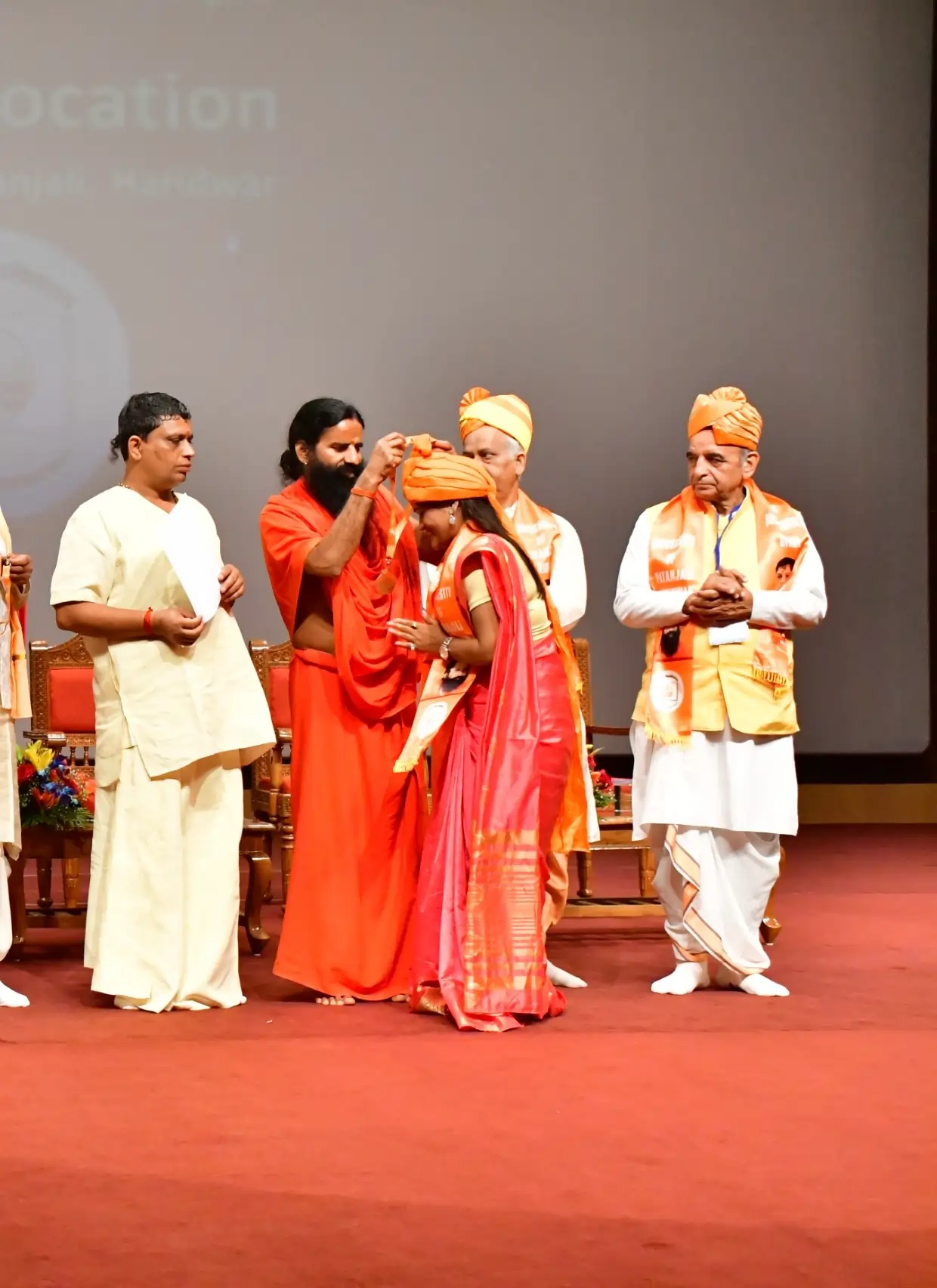
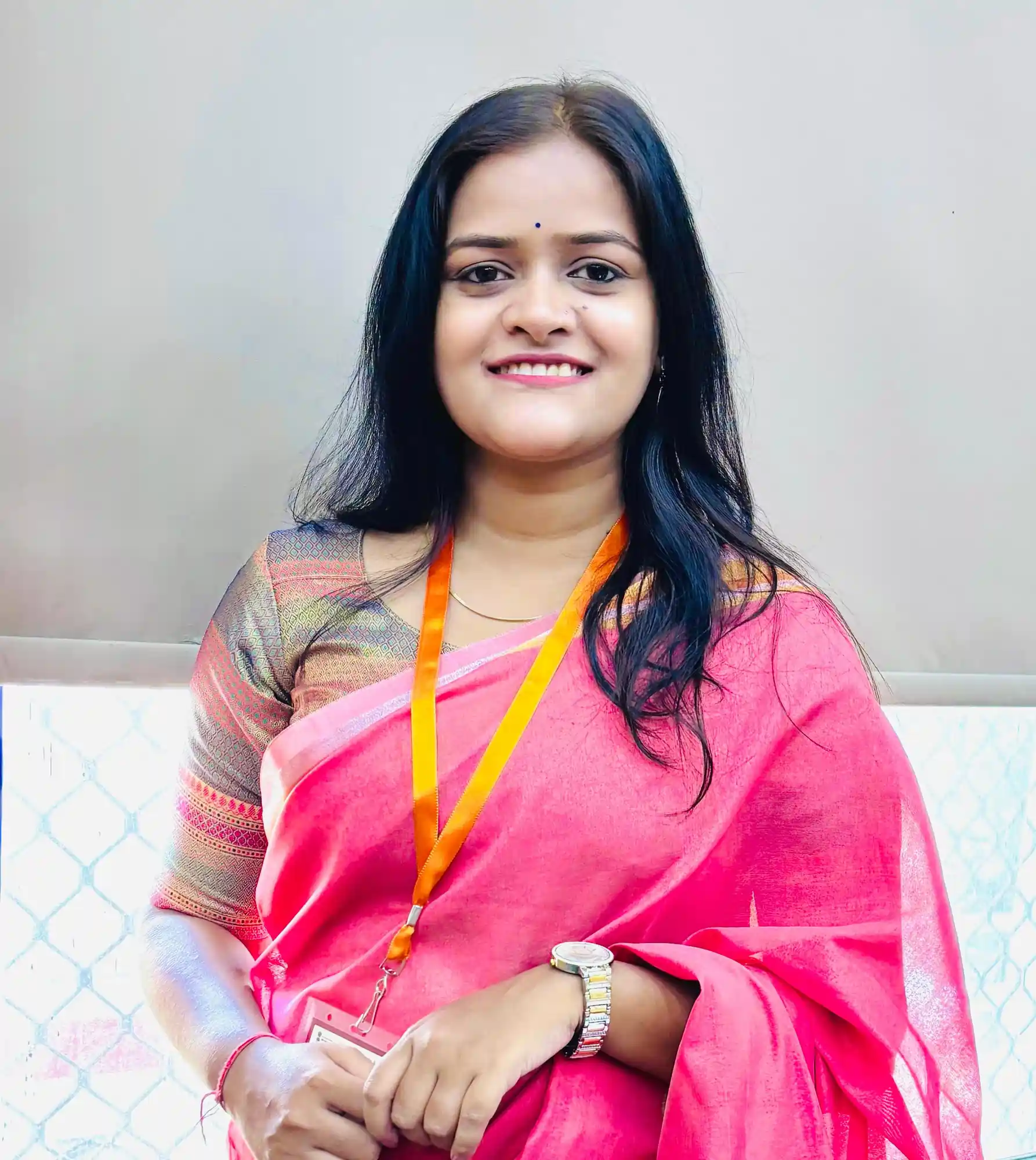
Hello! I am Shringarika Mishra, a Gold Medalist (University of Patanjali) and Research Scholar at Banaras Hindu University (BHU). Over the past 11 years, I have helped thousands of women worldwide step away from chronic exhaustion and find their natural vibrance through the soft, simple methods of traditional somatic yoga. Let’s clear away the daily rush and help your hair flourish naturally together at onlineyogaclass.in.
A Gentle Note: The simple educational facts and traditional yoga postures shared in this article are meant entirely for healthy life awareness and general lifestyle support, drawing on observations from my research at BHU. This content can never replace professional medical diagnosis, dermatologist treatments, or direct endocrine prescriptions. If you are experiencing sudden severe health changes or unexpected medical complications, please consult a qualified physician immediately.