The Nutritional Biochemistry of Seed Cycling
Seed cycling is a systematic dietary protocol that involves the consumption of specific lignans and fatty acids at different stages of the menstrual cycle. The Follicular Phase requires the integration of flax and pumpkin seeds to modulate estrogen levels. Flax seeds contain phytoestrogens that can bind to excess estrogen or supplement a deficiency, acting as a selective estrogen receptor modulator (SERM). Pumpkin seeds are rich in zinc, which is a critical precursor for progesterone production in the upcoming luteal phase.
During the Luteal Phase, the protocol shifts to sesame and sunflower seeds. Sesame seeds provide selenium and lignans that inhibit the conversion of testosterone into more potent androgens, while sunflower seeds provide Vitamin E and gamma-linolenic acid (GLA) to support the corpus luteum. While nutritionally sound, this method is purely "input-based" and relies heavily on the efficiency of the patient’s Jatharagni (metabolic fire) for proper absorption and utilization.
Yoga as a Neurological Catalyst for Regularity
Unlike seed cycling, Clinical Yoga functions as a "top-down" neurological intervention. My research at Banaras Hindu University emphasizes that menstrual irregularity is often a byproduct of HPA-axis dysregulation. Chronic stress induces a cortisol-driven inhibition of Gonadotropin-Releasing Hormone (GnRH). By utilizing Vagal Tone stimulation through precision movements, yoga manually shifts the body from sympathetic dominance to parasympathetic recovery.
Furthermore, specific asanas like Baddha Konasana and Upavistha Konasana facilitate Vascular Redirection. This mechanical "shunting" of blood toward the pelvic bowl ensures that the ovaries and uterine lining receive oxygenated, nutrient-rich blood flow. This is not merely stretching; it is the optimization of pelvic hemodynamics to support the proliferative and secretory phases of the endometrium.
The Clinical Comparison: Absorption vs. Activation
In my 11+ years of practice at Sir Sunderlal Hospital (BHU), I have observed that while seed cycling provides the "raw materials" for hormone synthesis, Clinical Yoga provides the "biological instructions" for the body to use them.
1. Speed of Intervention:
Yoga impacts the nervous system instantly. A single session of Chandra Bhedana (Lunar Breathing) can lower systemic vascular resistance. Seed cycling, however, usually requires 3 to 4 complete cycles to manifest measurable changes in blood serum levels.
2. Addressing Hyperinsulinemia:
Irregular cycles are frequently linked to insulin resistance. Seed cycling offers minor support through fiber, but Yoga protocols involving isometric holds increase the expression of GLUT4 transporters in the muscles, directly improving insulin sensitivity and reducing the androgenic load on the ovaries.
Synergistic Integration: The Optimal Path
For patients seeking the highest clinical efficacy, I recommend an integrated approach. Seed cycling should be used as the nutritional baseline, while Clinical Yoga acts as the metabolic engine. The presence of Ama (metabolic toxins) often prevents the nutrients in seeds from reaching the target endocrine glands. Through the wringing and compressing actions of spinal twists and inversions, we clear these obstructions, allowing the Dhatu Posha (tissue nourishment) mentioned in Ayurveda to occur effectively.
Why Local Expertise in Varanasi Matters
Seeking a BHU Yoga Specialist in Varanasi provides a unique advantage. Our team’s protocols are developed within a clinical research environment, ensuring that sequences are scaled to your Biological Age and hormonal profile. Whether you are managing PCOS-induced Amenorrhea or perimenopausal irregularities, a generic routine is insufficient. We specialize in Restorative Endocrinology, tailoring every breath and hold to the current phase of your cycle.
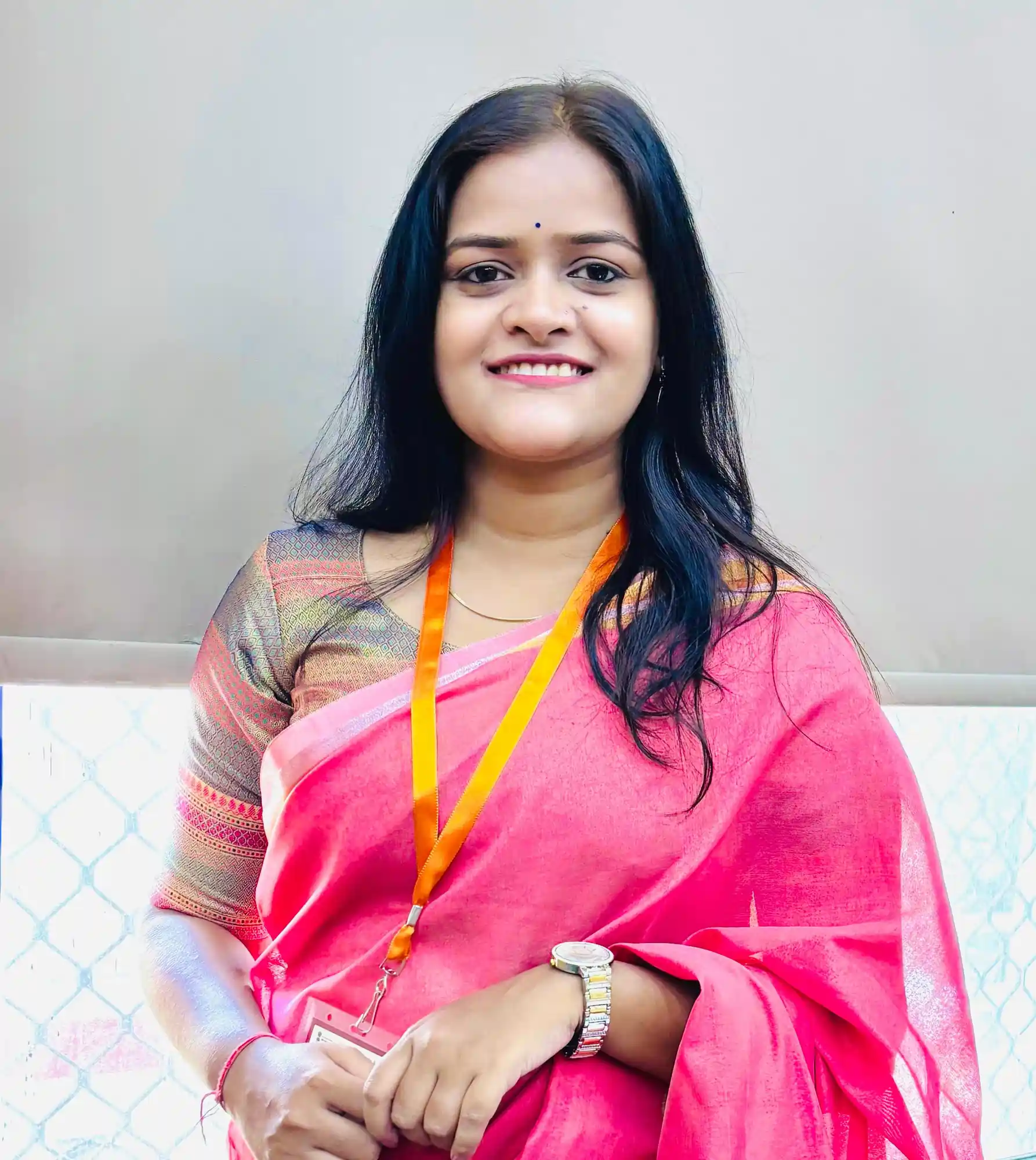
About Shringarika Mishra
Gold Medalist (University of Patanjali) and NET JRF (All India Rank 2). Currently a Research Scholar at Banaras Hindu University (BHU) specializing in Clinical Yoga for PCOS and Infertility. With over 11 years of clinical experience and 16 published research papers at Sir Sunderlal Hospital (BHU), she has successfully transformed 1000+ lives globally.
Medical Disclaimer: The clinical data and comparative analysis provided in this article are for educational purposes based on integrative research. This information is not a substitute for professional medical advice, diagnosis, or treatment. Always consult with your gynecologist or an endocrine specialist before initiating new nutritional or yoga protocols. Specialized clinical oversight is required for patients with metabolic or reproductive pathologies.