Deconstructing Blood Pressure: How it Works
To understand how to help your heart feel better, we must understand what happens inside our blood vessels. When your doctor wraps a cuff around your arm, they are measuring how hard your blood pushes against the walls of your tubes (arteries) as your heart pumps.
| Medical Term |
What it Means Simply |
How it Relates to Stress |
| Systolic Pressure (Top Number) |
The force when your heart muscle beats and pushes blood out. |
Goes up quickly when you are anxious, running, or feeling angry. |
| Diastolic Pressure (Bottom Number) |
The resting force inside the vessels while the heart pauses between beats. |
Stays high when your blood vessels are tight and unable to relax. |
| Sympathetic Overdrive |
A state where your body feels like it is constantly running away from a wild animal. |
This is the true root cause. It tightens the blood tubes and keeps the pressure high all day. |
High blood pressure causes a lot of unnecessary worry, but it is actually a protective message from your brain. When you are constantly stressed, your brain signals the blood vessels to tighten up so blood can rush to your muscles for safety. The problem is that modern life keeps this "fight or flight" switch turned on even when you are just sitting at a desk. By using clinical yoga and calming practices, we can tell the brain that it is safe to turn this switch off, allowing the blood tubes to widen and pressure to drop naturally.
The Common Symptoms: Signals of a Tired System
Because hypertension affects your entire blood circulation, its warning signs can show up all over your body. Depending on your personal lifestyle and health history, these signals usually fall into three major categories:
-
1
Head and Vision Changes: This includes experiencing a heavy dull ache at the back of your head in the morning, feeling dizzy when standing up quickly, or seeing tiny blurry spots in front of your eyes.
-
2
Chest and Breathing Alterations: Feeling a light fluttering or thumping in your chest, getting short of breath after climbing just a few stairs, or feeling an unusual tightness in your shoulders.
-
3
Sleep and Rest Disturbances: Waking up in the middle of the night feeling hot or anxious, hearing a light buzzing sound in your ears when the room is silent, and feeling tired even after a full night of rest.
An Interesting Biological Fact
Did you know that the exact same nerve that slows down your heart also calms your digestion and mind? This is called the Vagus Nerve. When you practice very slow, deep belly breathing, you are physically pressing a brake pedal inside this nerve. This brake sends an immediate message to your heart to beat with less force and tells the smooth muscles around your blood tubes to release their grip. This biological reality proves that you can change the physical state of your heart simply by changing the pattern of your breath, giving you a powerful tool to manage your health at any moment.
The Ayurvedic View: Cooling the Heat
In Ayurveda, high blood pressure is seen as an excess of heat and movement inside the body. This involves an imbalance in two main areas: Pitta (the fire element) and Rakta Dhatu (the blood tissue). When you eat very spicy foods, work too hard without resting, or carry bottled-up anger, your internal fire grows. This hot energy pushes into the blood, making it move faster and harder through your system.
-
1
Cooling Foods: Adding sweet fruits, cucumbers, fresh coconut water, and a little bit of cow's ghee to your meals helps cool down the hot blood and soothes the lining of your arteries.
-
2
Calming Herbs: Using traditional cooling remedies like Arjuna bark tea or Brahmi leaves naturally strengthens the heart muscle and keeps the mind peaceful.
-
3
Mental Softness: Practicing daily forgiveness and stepping away from arguments protects your heart from sudden spikes of hot, angry adrenaline.
How Yoga Calms the Inner Storm
When your body is dealing with high blood pressure, jumping into fast, sweaty exercises, lifting heavy weights, or doing intense backbends can actually be dangerous. Your heart is already working hard against tight vessels, and harsh movements can cause sudden pressure spikes that leave you feeling dizzy or exhausted.
Clinical yoga helps you step away from this internal danger zone. By using supported, relaxing floor positions combined with slow, steady breathing, we teach your nervous system to rest. This gentle shift opens up tight blood paths, helps your heart pump with less effort, and allows your blood pressure to lower smoothly without putting any strain on your physical body.
My Specialized Technique: Neuro-Vascular Somatic Calibration
During my clinical research at BHU, I developed a unique method designed specifically for cardiovascular and nervous system recovery, which I call Neuro-Vascular Somatic Calibration. This technique moves away from generic, fast-paced exercise flows, focusing instead on how gentle structural positions affect your internal nervous system and blood vessels.
Our method relies on using soft supports like thick pillows and yoga blocks to hold your body in passive floor positions. When your muscles do not have to work hard to hold a pose, your brain drops its stress response immediately. This tells your internal pathways to open up, allowing fresh blood to flow smoothly throughout your body, clearing out tension and restoring your natural health rhythms.
The Complete, Detailed Guide to Your Daily Healing Asanas
1. Supported Reclined Butterfly Pose (Supta Baddha Konasana)
Time to Hold: 10 to 12 minutes every night right before you go to sleep.
Step-by-Step Instructions: Sit down comfortably on your bed or on a soft yoga mat. Slowly lower your upper body down until you are lying completely flat on your back. Bring the bottoms of your feet together so they touch, and let your knees gently drop open wide to the left and right sides. Slide thick bed pillows or rolled blankets directly under your outer thighs and knees. This support is essential so your inner groin and lower belly do not feel any pulling or stretching strain. Rest your palms flat on your lower stomach, close your eyes softly, and let your entire body become heavy.
How it helps your body: This passive hold completely unloads weight from your pelvic floor and lower core muscles. It calms down the high-stress signals coming from your adrenal glands, helps release fluid accumulation around your lower body, and encourages fresh, warm blood flow to return to your reproductive and circulatory centers.
2. Left-Nostril Soothing Breathwork (Chandra Bhedana Pranayama)
Time to Practice: 5 to 7 minutes every morning before you eat your breakfast.
Step-by-Step Instructions: Sit up nice and tall in a comfortable cross-legged position on your bed or floor, using a pillow under your seat to keep your spine straight and relaxed. Relax your shoulders down. Rest your left hand on your knee and bring your right hand up to your face. Softly close your eyes. Use your right thumb to gently press and close your right nostril. Inhale slowly, quietly, and deeply through your open left nostril for a silent count of 4 seconds. Then, lift your thumb and use your ring finger to gently close your left nostril, and exhale all the air out smoothly through your right nostril for a silent count of 6 seconds. Continue this pattern: always breathing in through the left, and always breathing out through the right.
Why it works: This specialized breathing style works like an immediate brake for your survival nervous system. It lowers circulating stress hormones, reduces blood pressure variations, and helps open up internal micro-circulation channels that have been narrowed by daily anxiety.
3. Post-Meal Thunderbolt Posture (Vajrasana)
Time to Hold: 5 minutes immediately after finishing your lunch and dinner.
Step-by-Step Instructions: Within 10 minutes of finishing your meal, find a soft surface or mat. Kneel down on both knees. Bring your big toes together behind you so they touch, and separate your heels out wide to the sides, creating a comfortable space to sit your seat down between your feet. Keep your back straight, your chest open, and rest your palms flat on your thighs. Look straight ahead and breathe naturally, allowing your belly to move softly with every breath.
Why it works: Kneeling in Vajrasana alters the blood flow in your lower body, directing a warm wave of circulation away from your legs and straight into your digestive system. This steps up your digestive energy, prevents bloating, and helps your body process and clear out glucose from your food much more effectively.
4. Supported Legs-Up-The-Wall Posture (Viparita Karani)
Time to Hold: 10 minutes every evening when you come home from work or feel tired.
Step-by-Step Instructions: Bring your yoga mat or a blanket right up against an open wall. Sit sideways with your hip touching the wall. In one smooth motion, gently roll your upper body down flat onto your back while swinging your legs straight up the wall. Your body will now look like an L-shape, with your back flat on the floor and your legs resting against the wall. Slide a soft pillow or folded blanket directly under your lower back and hips to keep them slightly elevated. Let your arms relax out to the sides with your palms facing up. Completely relax your thigh muscles.
Why it works: This posture reverses the regular pull of gravity on your lower limbs. It helps stagnant pelvic fluids drain back toward your central circulation, reduces swelling and bloating in your legs and lower abdomen, and tells your nervous system to move into a deep state of restoration and cellular recovery.
Why Professional Guidance Matters for Heart Health
Dealing with high blood pressure, morning headaches, or constant chest tightness is not a personal failure that you simply have to accept. These frustrating changes are clear signs that your internal regulatory systems are working under a heavy load of daily lifestyle stress.
Our specialized hypertension and stress management care programs at onlineyogaclass.in teach you how to listen to your body's true internal feedback and resolve vascular blockages safely. By combining simple, practical daily habits with soft, low-impact movements, you avoid pushing your body into extra exhaustion, ensuring your blood vessels stay fully relaxed, leaving you feeling light, calm, and completely anchored in your natural strength.
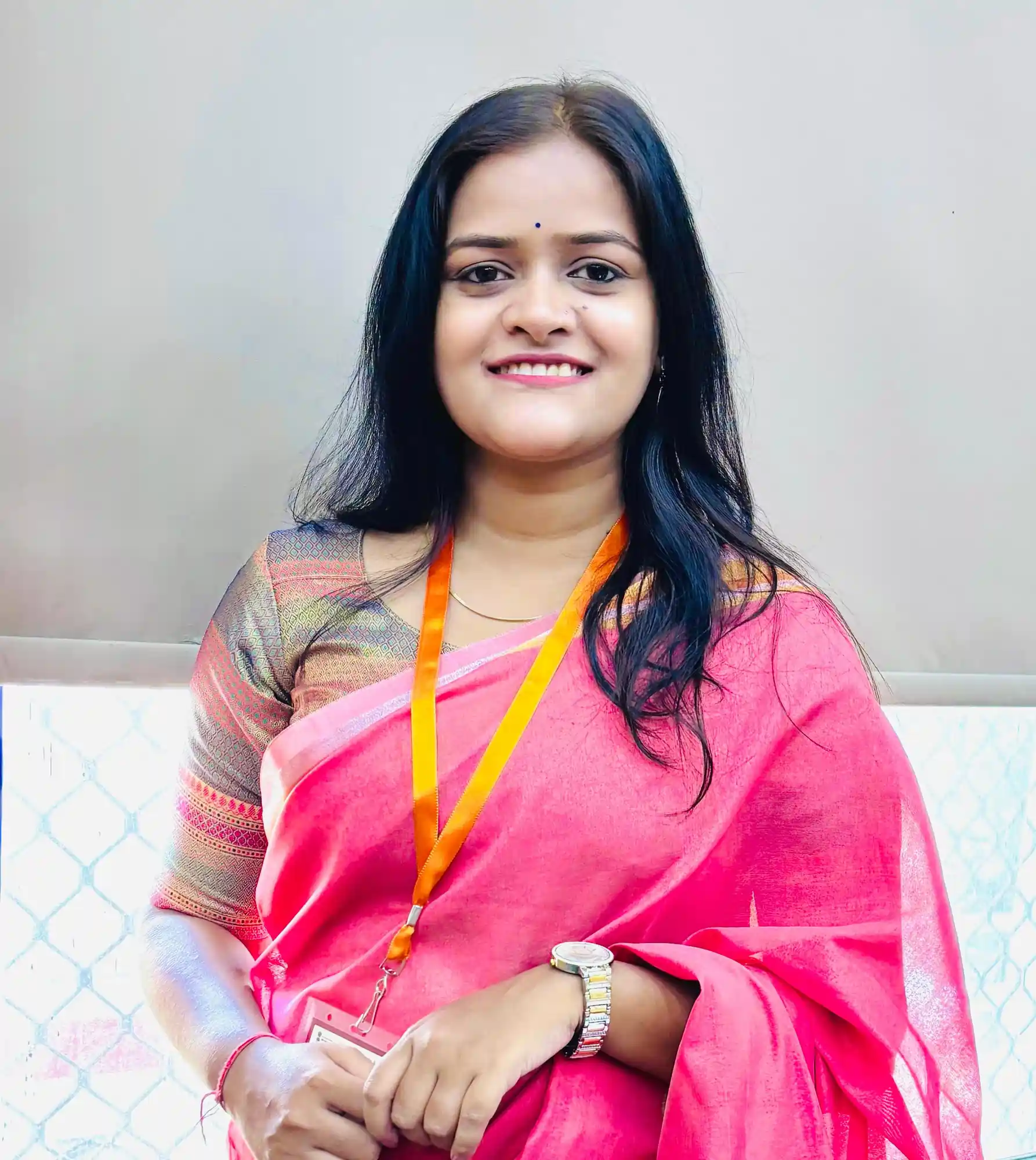
About Shringarika Mishra
Gold Medalist (University of Patanjali) & NET JRF (AIR 2). Research Scholar at Banaras Hindu University (BHU) specializing in Clinical Yoga and Neuro-Metabolic Integration. With over 11 years of experience and 16 published research papers, she provides evidence-based biological healing through onlineyogaclass.in.
Medical Disclaimer: The clinical observations and lifestyle protocols shared in this article are intended entirely for general educational and health-awareness purposes, drawing on physiological systems analyzed at my clinical research at BHU. This content cannot replace professional medical diagnosis, regular blood pressure tracking, or medical cardiology oversight. If you experience unexpected extreme chest pain, sudden numbness, or severe blurred vision, please consult a medical physician immediately.