Deconstructing the Terms: Normal Inversions vs. Safe Senior Inversions
To understand how to help your body feel better, we must understand why old-style yoga poses can sometimes be too harsh for seniors. These clinical updates are actually good news because they show that science now knows how to get the best benefits without any danger.
| Practice Type |
What People Usually Imagine |
The Real Clinical Adjustment |
| Traditional Headstands (Sirsasana) |
Balancing the whole body upside down on top of the head and bare neck. |
Completely unsafe for seniors. It places dangerous pressure on the neck and spikes head blood pressure. |
| Unsupported Shoulderstands |
Lifting the hips high in the air using only hand balance on the hard floor. |
Can strain the upper back and cause sudden balance losses or falls. |
| Prop-Assisted Senior Inversions |
Using thick walls, soft blocks, and chairs to elevate the legs gently. |
Highly safe. It gives you the full blood-flow benefits while keeping the spine fully rested and protected. |
The old style of thinking about upside-down poses caused a lot of unnecessary worry for older adults. When you hear the word "inversion," you do not need to picture circus acts or head-balancing tricks. A clinical inversion simply means placing your feet higher than your heart, or resting your head softly at or below your chest level. By using smart supports, we let gravity act as a gentle pump that clears out trapped fluids from your ankles and sends a smooth, refreshing wave of oxygen right back up to your brain.
The Common Symptoms: Signals of a Tired Circulation System
Because gravity is constantly pulling blood downward, poor fluid return can show up as discomfort in several parts of your body. Depending on your daily activity levels and joint health, these warning signs usually fall into three major categories:
-
1
Lower Body Swelling and Edema: This includes experiencing tight shoes by evening, seeing deep sock marks around your ankles, or having a heavy, dull ache in your calves after standing for short periods.
-
2
Brain Fog and Energy Dips: Feeling a sudden wave of sleepiness in the middle of the day, finding it hard to focus on your favorite book, or experiencing mild headaches due to low oxygenated blood movement.
-
3
Shallow Breathing and Posture Sagging: Slouching forward while sitting down, which compresses your lungs, prevents deep breathing, and makes it harder for the heart to pump fluid efficiently through your chest cavity.
An Interesting Biological Fact
Did you know that the exact same gravity burden that causes leg swelling in seniors also slows down brain renewal? When we stay upright all day, our veins have to work extra hard against gravity to push fluid upward from the ground. As the body ages, the tiny valves inside our leg veins become weaker. This causes blood to pool in the lower limbs, leaving less fluid pressure to naturally refresh the brain. By turning the body slightly upside down with supports, you instantly change this pressure balance, giving the heart a well-deserved rest and bathing your brain cells in fresh nutrients.
The Long-Term Implications: Why You Must Take Action
Leaving poor lower-body circulation unmanaged or treating it as just a normal part of getting older can lead to tougher health hurdles later on. When fluid stays trapped in your legs for months and years, it strains your skin and blood vessels. If this pattern goes unmanaged, it can lead to several long-term health risks:
-
1
Varicose Veins and Skin Stiffening: The veins in your legs can become permanently stretched, leading to visible blue bulges, chronic skin irritation, skin color changes, and wounds that take a long time to heal.
-
2
Cognitive Decline and Mental Fatigue: A steady decrease in fresh blood flow to the head can speed up forgetfulness, increase everyday confusion, and lower your overall mental sharpness over time.
-
3
Nervous System Stress Overload: Living with constant body heaviness triggers a continuous background stress response. This tells your brain to stay on high alert, which disrupts deep sleep patterns and drains your daily stamina.
How Gentle Inversions Overcome the Internal Freeze
When an older body is dealing with heavy limbs or low energy, trying to force yourself through fast walks, long stair climbing, or intense standing exercises can sometimes cause joint inflammation or extra fatigue. Your body interprets these painful strains as a signal to tighten up, which locks your lower back muscles and causes fluid to stay trapped down below.
Clinical yoga helps you step away from this joint strain. By using soft, supported floor positions combined with slow, steady breathing, we teach your nervous system that it is safe to relax. This shift opens up tight blood vessels, allows fluids to return to the heart easily, and encourages your brain to enter a calm, fully focused state without putting any harsh mechanical strain on your bones.
My Specialized Technique: Neuro-Vascular Somatic Calibration
During my clinical research at BHU, I developed a unique method designed specifically for senior circulation and nerve recovery, which I call Neuro-Vascular Somatic Calibration. This technique moves away from generic, fast-paced exercise flows, focusing instead on how gentle structural positions affect your internal nervous system and blood flow channels.
Our method relies on using soft supports like thick pillows, blocks, and chairs to hold your body in passive floor positions. When your muscles do not have to work hard to keep you balanced, your brain drops its stress response immediately. This tells your internal pathways to open up, allowing fresh blood to flow directly into your upper chest and head, clearing out leg swelling and restoring your natural health rhythms.
The Complete, Detailed Guide to Your Daily Healing Asanas
1. Supported Legs-Up-The-Wall Posture (Viparita Karani)
Time to Hold: 10 to 12 minutes every evening when you come home or feel tired.
Step-by-Step Instructions: Bring a soft yoga mat or a thick folded blanket right up against an open wall in your room. Sit down sideways with your right hip touching the wall. In one smooth, slow motion, gently lower your upper body down flat onto your back while swinging your legs straight up the wall. Your body will look like an L-shape against the wall. Slide a soft bed pillow directly under your lower back and hips to keep them slightly elevated. Let your arms relax out to your sides with your palms facing up. Completely relax your thigh and calf muscles, close your eyes, and let gravity do the work.
How it helps your body: This posture reverses the regular pull of gravity on your lower limbs. It helps stagnant fluids drain back toward your central circulation, reduces swelling and bloating in your ankles, and tells your nervous system to move into a deep state of restoration and brain clarity.
2. Supported Bridge Pose (Setu Bandhasana with Block)
Time to Practice: 5 to 7 minutes every morning before you eat your breakfast.
Step-by-Step Instructions: Lie down flat on your back on a comfortable mat or bed with your knees bent and your feet flat on the floor, hip-width apart. Keep your arms resting by your sides. Press down through your feet and gently lift your hips just a few inches off the ground. Slide a firm yoga block or a thick, tightly rolled blanket directly underneath your sacrum (the hard, flat bone at the very base of your lower back). Lower your weight completely down onto the block. Your hips should feel fully supported and stable without any muscle effort. Breathe slowly into your chest.
Why it works: Elevating the hips slightly above the level of the heart opens up the chest and lungs. This expands your breathing capacity, helps seniors who manage shallow breathing, and creates a gentle micro-inversion that assists venous blood flow back to the heart.
3. Chair-Assisted Forward Rest
Time to Hold: 5 minutes in the afternoon or whenever your mind feels foggy.
Step-by-Step Instructions: Sit down comfortably on the edge of a sturdy, stable chair with your feet flat on the floor. Place a second chair directly in front of you, or stand up facing the back of a high chair. Place a thick, soft pillow on the seat or backrest of the chair in front of you. Gently fold your upper body forward from your hips and rest your forearms and your forehead completely onto the pillow. Keep your spine long and relaxed. Let your head rest heavily so your neck muscles can let go of all tension.
Why it works: Resting the head flat at or slightly below the heart level provides a safe micro-inversion without any balance risk. It increases blood flow to the brain, relaxes the optical nerves, reduces mild tension headaches, and instantly calms an over-busy mind.
4. Supported Child’s Pose (Balasana with Bolster)
Time to Hold: 5 to 8 minutes right before you go to bed at night.
Step-by-Step Instructions: Kneel down softly on your mat. Separate your knees wide apart and bring your big toes together behind you. Place a long, thick bolster pillow or two regular bed pillows lengthwise right between your thighs. Slowly lower your torso down onto the pillows, turning your head to one comfortable side. Rest your arms loosely forward or back along the floor. Let the pillows completely carry the weight of your chest and belly.
Why it works: This position places the head lower than the spine while keeping the body completely grounded. It helps trigger the "rest and digest" nervous response, calms down active stress hormones, stretches the lower back gently, and prepares the mind for deep, uninterrupted sleep.
Clinical Precaution: Blood Pressure & Glaucoma
Safety is our primary clinical marker. We strictly advise seniors with uncontrolled high blood pressure, active glaucoma, or recent eye surgeries to avoid even gentle inversions. Our team ensures that every practitioner is screened against these clinical markers to provide a high-value, risk-free experience.
Why Professional Somatic Guidance Restores Lasting Health
Dealing with continuous leg heaviness, ankle puffiness, daily energy crashes, or mental fog is not a personal failure that you simply have to tolerate or live with. These frustrating changes are clear signs that your circulation and nervous systems are working under a heavy load of gravity and lifestyle stress.
Our specialized senior wellness and circulation care batch programs at onlineyogaclass.in teach you how to listen to your body's true internal feedback and resolve blockages safely. By combining simple, practical daily habits with soft, low-impact movements, you avoid pushing your body into extra exhaustion, ensuring your internal channels stay fully open, leaving you feeling light, calm, and completely anchored in your natural strength.
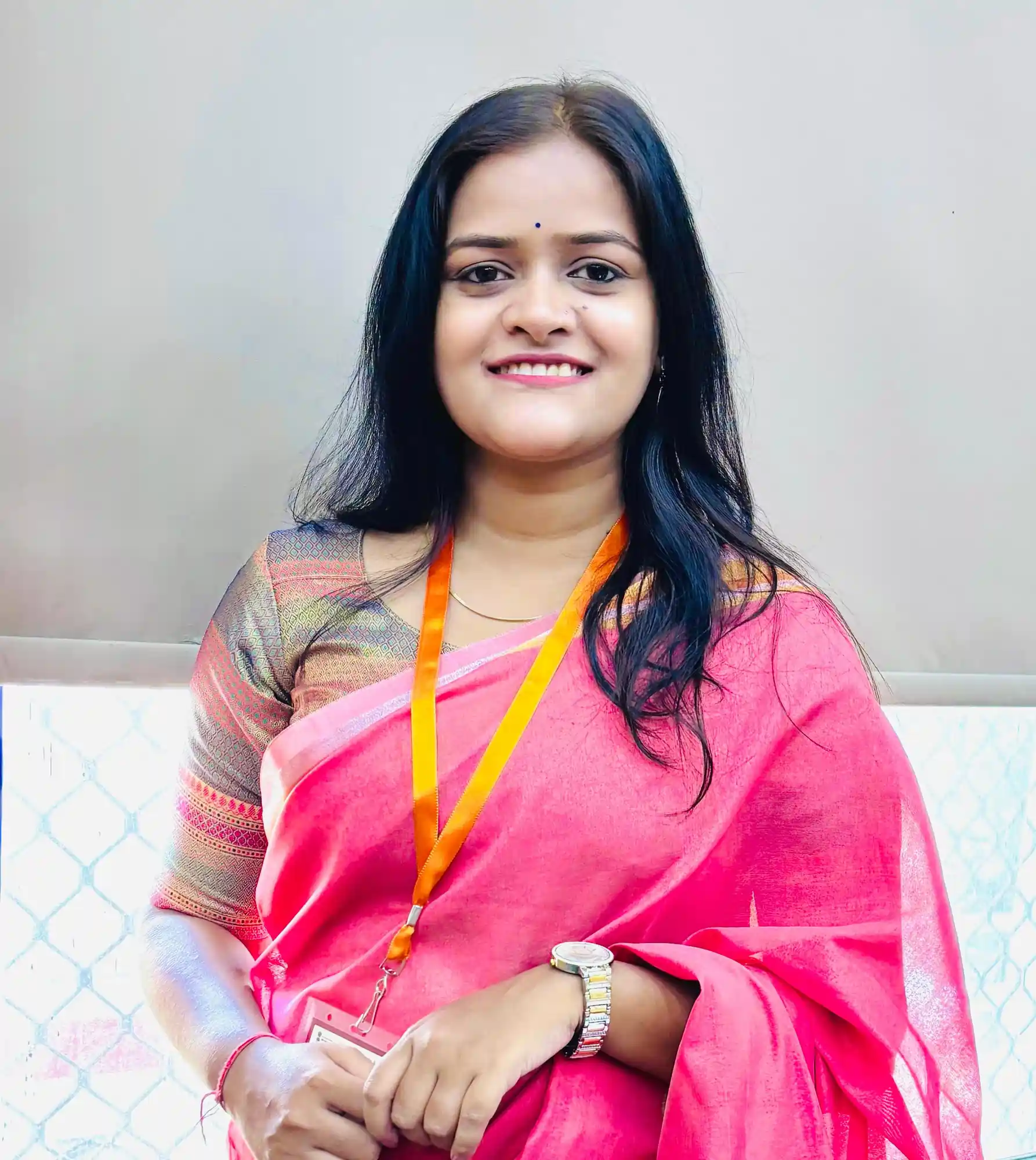
About Shringarika Mishra
Gold Medalist (University of Patanjali) & NET JRF (AIR 2). Research Scholar at Banaras Hindu University (BHU) specializing in Clinical Yoga and Neuro-Metabolic Integration. With over 11 years of experience and 16 published research papers, she provides evidence-based biological healing through onlineyogaclass.in.
Medical Disclaimer: The clinical observations and lifestyle protocols shared in this article are intended entirely for general educational and health-awareness purposes, drawing on physiological systems analyzed at my clinical research at BHU. This content cannot replace professional medical diagnosis, specialized vascular testing, or medical cardiology oversight. If you experience unexpected extreme leg pain, sudden chest tightness, or severe dizziness, please consult a medical physician immediately.