
The Digestion Shunt: Utilizing 'Vajrasana' and Rhythmic Walking to Dampen Insulin Spikes and Clear Vascular Stagnation
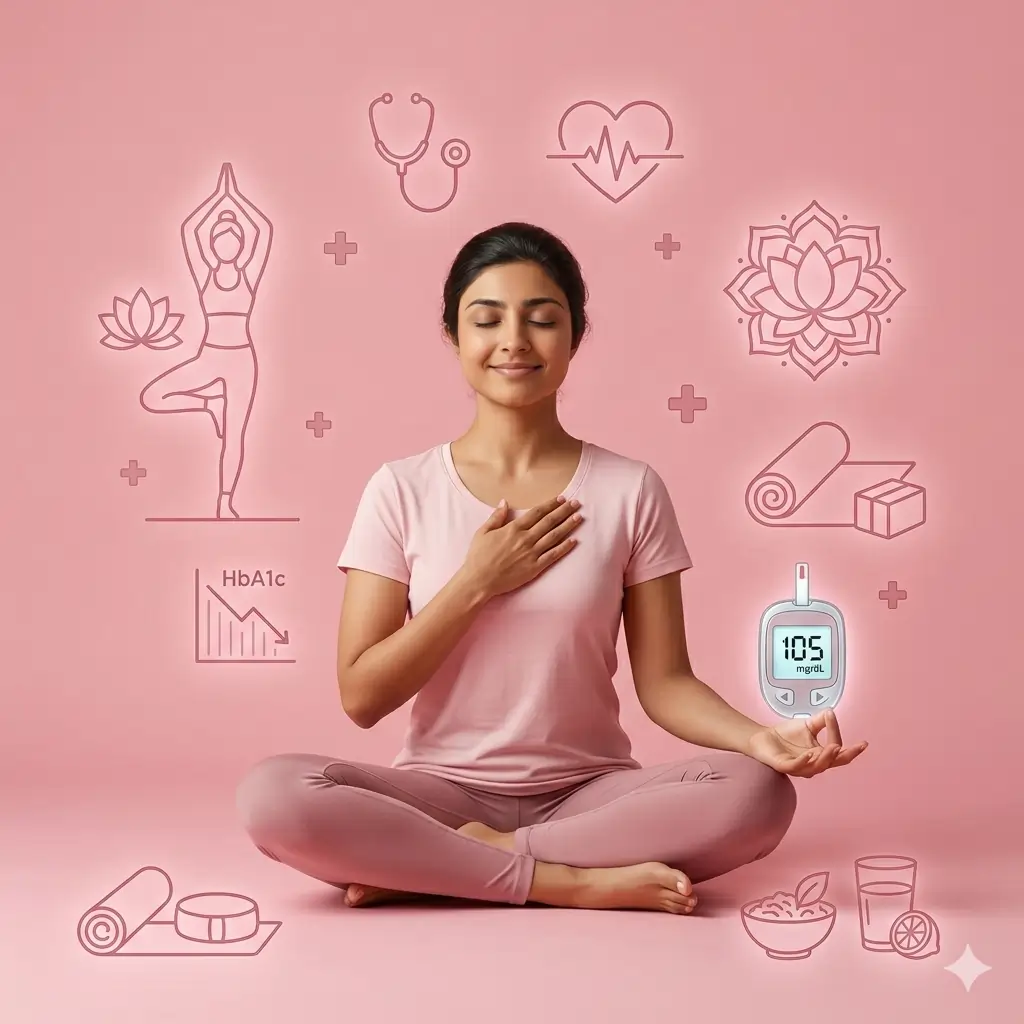
The window immediately following dinner is a critical Metabolic Crossroad. In a sedentary state, post-meal glucose creates a "Sympathetic Surge," leading to Vascular Stagnation and the formation of Ama (metabolic debris). At IMS, BHU, our research into Restorative Endocrinology reveals that the "Vajrasana-Walk" hybrid is a clinical necessity. By first concentrating blood in the digestive core through Vajrasana, followed by a gentle walk, we achieve Biological Scaling—manually directing glucose into the muscles and restoring your Lunar Rhythm of deep, restorative sleep.
The Pathology of 'Post-Prandial Sludge'
From a neuro-anatomical perspective, the Vagus Nerve requires a high state of relaxation to manage the "rest and digest" process. However, the modern habit of reclining after eating causes blood to pool in the extremities, slowing down Vascular Perfusion to the gut.
According to reports by the World Health Organization (WHO), sedentary behavior post-meals is a primary driver of Type 2 Diabetes and cardiovascular decline. In our Varanasi Clinical Yoga programs, we use the Shatpavali (100-step tradition) updated for the modern metabolism. This protocol clears the Srotas (channels) of obstructive glucose and stabilizes the Thyroid-Ovarian Axis, preventing the nocturnal cortisol spikes that cause "morning puffy face" and brain fog.
Interesting Fact: The 'Vajra' Nerve Shunt
Did you know that Vajrasana is the only asana traditionally permitted immediately after a meal? Clinical research indicates that by kneeling, you reduce blood flow to the lower legs and redirect it specifically to the Pelvic and Mesenteric Arteries. This provides a direct Neural Recovery signal to the stomach, increasing the Agni (digestive fire) and ensuring that Shukra Dhatu vitality is conserved rather than lost to fermentation and gas.
The 10-Minute 'Vajrasana-Walk' Protocol
At onlineyogaclass.in, we recommend this metabolic sequence after your last meal of the day to achieve Biological Scaling:
1. The 5-Minute Vajrasana (Concentration)
Sit on your heels immediately after eating. Keep the spine erect. This mechanical shunt increases Vascular Perfusion to the digestive organs, clearing initial Ama and stabilizing the HPA-axis for the night ahead.
2. The 5-Minute Shatpavali (Circulation)
Transition into a very slow, mindful walk. This rhythmic movement uses the Muscle-Venous Pump to soak up circulating glucose, preventing the "Insulin Spike" and facilitating Neural Recovery of the metabolic sensors.
3. The Diaphragmatic Close
Finish with 1 minute of standing deep breathing. This clears any remaining Vascular Stagnation in the chest and ensures the Thyroid-Ovarian Axis is primed for restorative sleep and hormonal repair.

Why 'Clinical' Timing is Mandatory
As a Gold Medalist (University of Patanjali) and Research Scholar at BHU, I advocate for Biological Scaling through informed movement. You cannot "out-exercise" a bad post-meal habit. Our evidence-based methodology at onlineyogaclass.in focuses on Neural Recovery—treating the post-dinner window as the foundation for tomorrow's health. This approach is why our global students report not only a total elimination of bloating and acid reflux but a profound restoration of their Lunar Rhythm and metabolic peace.

About Shringarika Mishra
Gold Medalist (University of Patanjali) & NET JRF (AIR 2). Research Scholar at Banaras Hindu University (BHU) specializing in Clinical Yoga and Metabolic Wellness. With 11+ years of experience, she provides evidence-based biological healing through onlineyogaclass.in.
Medical Disclaimer: The clinical information and research-based insights provided in this article are for educational purposes based on research conducted at IMS, BHU. This is not a substitute for professional medical advice, diagnosis, or treatment. Metabolic and digestive health are complex; always consult with your physician or a Clinical Yoga Specialist before starting new physical protocols, especially if you have knee injuries, Type 2 diabetes, or chronic digestive disorders.
