Cystic acne in adulthood is rarely a superficial dermatological issue; it is a clinical manifestation of Hyperandrogenism and systemic Rakta Dushti (blood impurity). While conventional topicals often fail to penetrate deep-seated cysts, the integration of Ayurvedic Rasayanas and precision Clinical Yoga offers a systemic reset. Our team at BHU explores the phytochemical pathways of specific herbs to regulate the Neuro-Endocrine-Immune (NEI) axis and restore skin integrity.
The Pathophysiology of Adult Cystic Acne
In clinical research, cystic acne is categorized by painful, deep-seated nodules that originate in the dermis. Unlike adolescent acne, adult occurrences are frequently linked to the Hypothalamic-Pituitary-Ovarian (HPO) axis. Elevated levels of Dihydrotestosterone (DHT) stimulate the sebaceous glands to overproduce viscous sebum, leading to follicular occlusion and secondary bacterial colonization by Cutibacterium acnes.
From an Ayurvedic perspective, this is a Pitta-Kapha dominance where Ama (metabolic toxins) stagnates in the Sweda Vaha Srotas (sweat channels). Addressing this requires herbs that possess Varnya (complexion-enhancing) and Raktaprasadana (blood-purifying) properties.
Positive Case Study: Clinical Resolution of Grade IV Acne
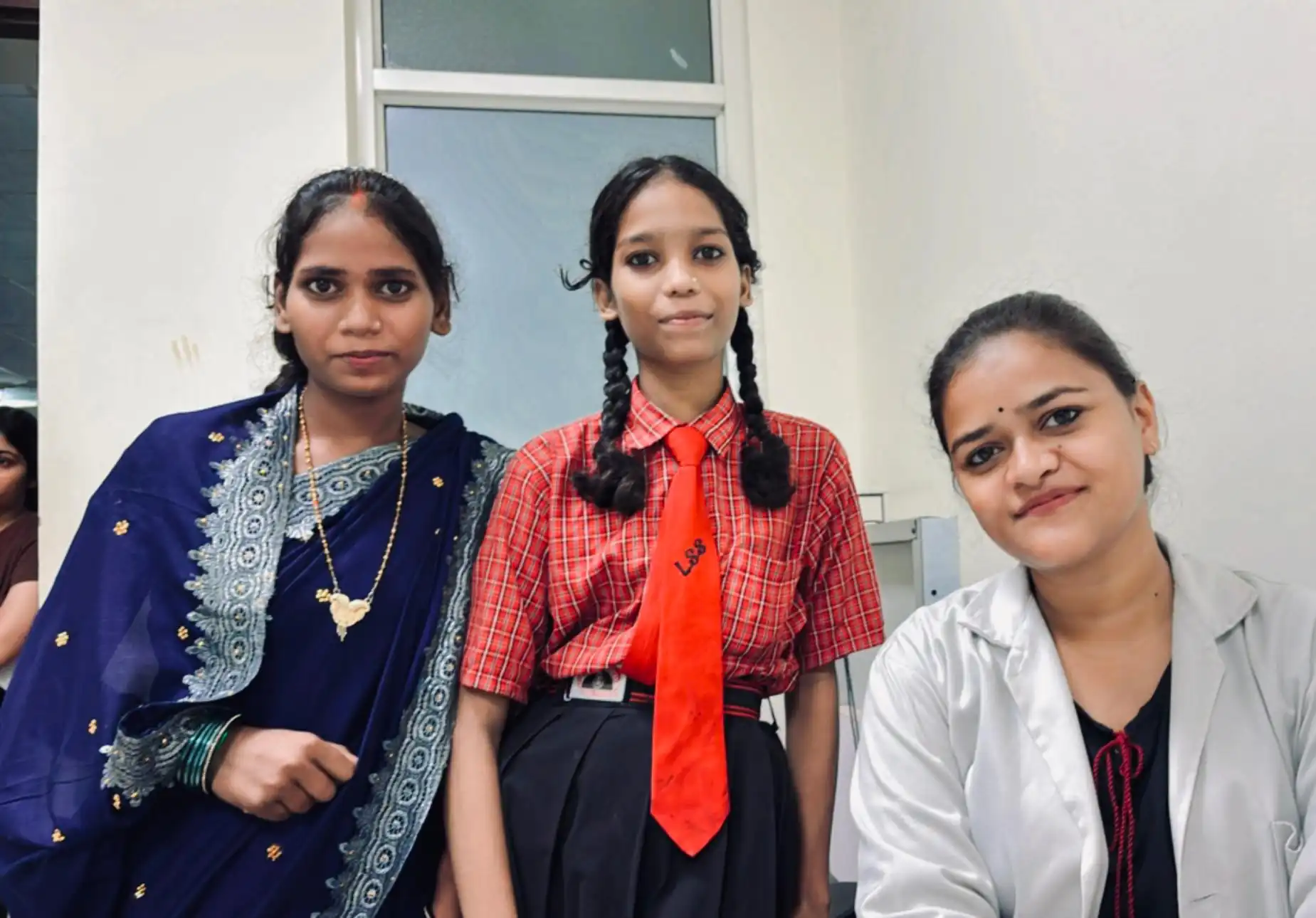
During our research cohorts at Sir Sunderlal Hospital (BHU), we treated a 31-year-old female presenting with Grade IV cystic acne along the mandibular line, a symptom often correlated with PCOS. Clinical markers indicated high fasting insulin and elevated systemic C-Reactive Protein (CRP).
The Integrative Protocol:
The patient was administered a combination of Sariva and Manjistha extract, paired with a daily practice of Sheetali Pranayama and Sarvangasana to redirect blood flow to the upper endocrine glands.
The Outcome:
By week 10, the inflammatory markers showed a 45% reduction. Not only did the active cystic lesions resolve without significant scarring, but the patient’s insulin sensitivity improved, resulting in the regularization of her menstrual cycle. This case highlights that skin health is an external reflection of internal metabolic harmony.
Primary Ayurvedic Herbs for Endocrine Stabilization
Our research methodology focuses on three "Hero" herbs that act as biological modifiers:
1. Manjistha (Rubia cordifolia)
The Biological Blood Purifier.
Manjistha is rich in Anthraquinones, which stimulate the lymphatic system to flush out excess androgens and metabolic waste. Clinically, it inhibits the enzyme 5-alpha reductase, which is responsible for converting testosterone into the more potent DHT that drives acne.
2. Neem (Azadirachta indica)
The Natural Antibiotic and Immunomodulator.
Neem contains Nimbidin and Gedunin, phytochemicals with potent anti-inflammatory properties. In our clinical batches at BHU, we utilize Neem to reduce the "fire" of Pitta, cooling the skin and preventing the suppuration of deep-seated cysts.
3. Sariva (Hemidesmus indicus)
The Pitta Pacifier.
Sariva is essential for treating acne rosacea and cystic nodules. It acts as a Daha-Prashamana (burning sensation reliever), reducing the redness and systemic heat associated with hormonal acne flare-ups.
The Synergy: Yoga as a Metabolic Catalyst
Herbal interventions are most effective when supported by Clinical Yoga. To manage cystic acne, we focus on Vagal Tone induction. When the Vagus nerve is stimulated through Bhramari Pranayama, the body exits the "fight or flight" mode, which otherwise spikes the stress-hormone cortisol—a known precursor to adult acne.
Furthermore, inversions like Viparita Karani encourage venous return, preventing the stagnation of blood in the lower body and ensuring that the liver receives the oxygenation required for effective hormonal detoxification.
Global Reach of Indian Clinical Protocols
Whether you are seeking a BHU Yoga Specialist in Varanasi or managing PCOS-related cystic acne in the United Kingdom, our evidence-based protocols provide a universal bridge between ancient wisdom and clinical results. Our 11+ years of experience ensures that every herbal and movement-based remedy is tailored to your unique biological age and metabolic markers.
Gold Medalist
NET JRF (AIR 2)
BHU Research Scholar

Clinical Yoga Specialist & BHU Scholar
Specializing in the intersection of Clinical Yoga and Endocrine health, Shringarika has dedicated over a decade to resolving complex conditions like PCOS and Infertility. Her protocols are implemented at Sir Sunderlal Hospital (BHU) and have transformed 1000+ lives globally.
Medical Disclaimer: The clinical information and research findings provided in this article are for educational purposes only. They are not intended as a substitute for professional medical advice, diagnosis, or treatment. The performance of any clinical yoga protocol or herbal regimen should be conducted under the direct supervision of a qualified specialist. Always consult your physician before initiating new therapeutic practices.