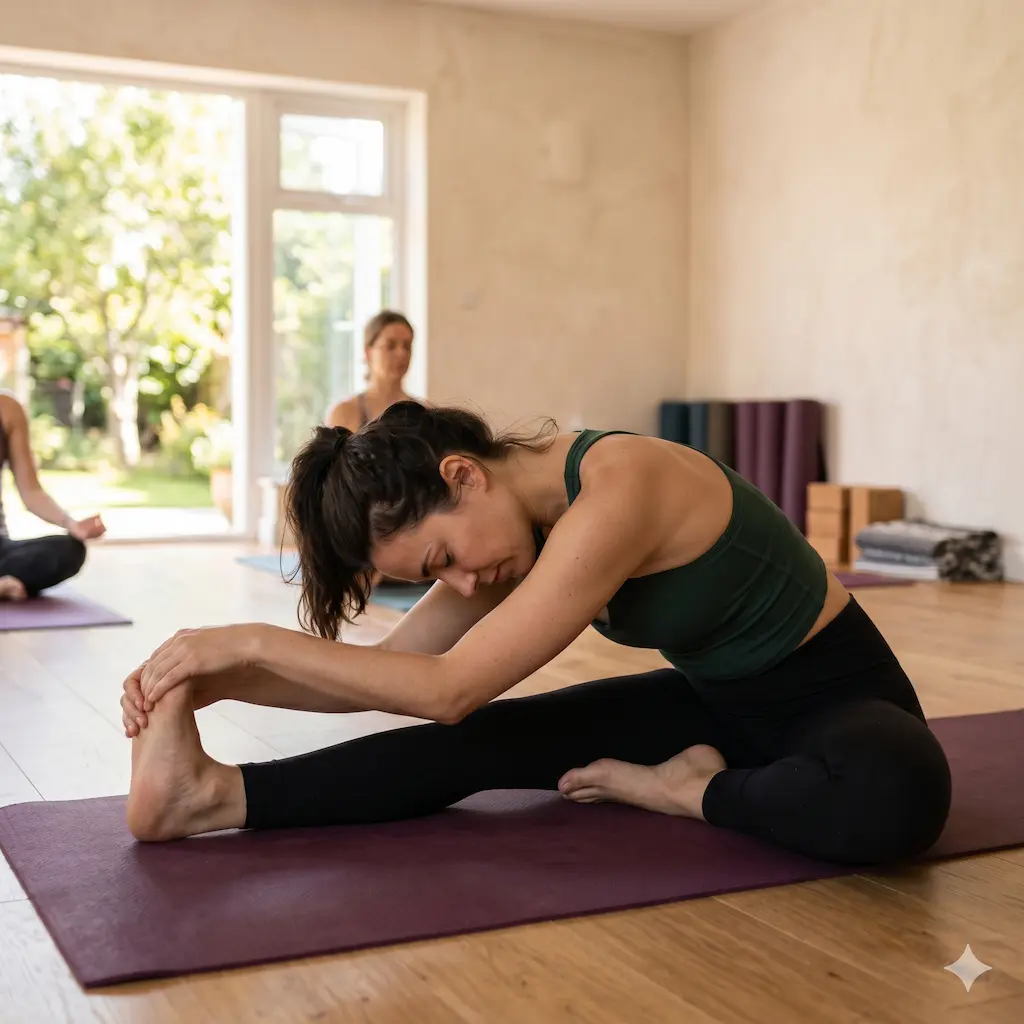
In today's fast-moving world, we often think of stress as just an uncomfortable feeling or a busy mind. We tell ourselves to ignore it, push past it, or drink another cup of coffee to keep going. However, from a scientific and medical point of view, stress is a powerful physical condition that changes your body from the inside out. It directly alters your DNA signals, weakens your immune defenses, blocks your digestion, and disrupts your delicate hormonal pathways.
During my extensive research journeys at BHU, I focused deeply on how human cells and systems react when life becomes overwhelming. What I have found is that learning how to completely calm your body is no longer just a relaxing luxury—it has become a biological necessity for survival. When your mind feels stressed, your physical organs pay a heavy price. This comprehensive article will explain exactly how chronic stress alters your internal organs, how your master pathways get trapped in an emergency mode, and provide a clear, step-by-step therapeutic yoga roadmap to help you reset your health safely.
Deconstructing the Terms: Stress vs. Anxiety vs. Chronic Burnout
To understand how to bring your body back into perfect equilibrium, we must look at how the medical community tracks internal tension. These different stages show how hidden pressure builds up over time and exhausts your internal systems.
| Stage Name |
What Happens Internally |
The Real Danger to Your Health |
| Acute Stress Response |
The brain senses a sudden rush, speeding up your heart rate and boosting blood flow to your muscles for quick survival actions. |
It is helpful for quick emergencies, but leaves you feeling temporarily shaky and depleted afterward. |
| Generalized Anxiety |
The mind gets stuck in an active loop of endless worry, keeping your daily defense levels elevated even when no physical danger exists. |
It creates continuous low-grade physical tension, shallow breathing patterns, and disrupts your nightly sleep cycle. |
| Chronic Adrenal Burnout |
Your internal glands can no longer keep up with the continuous demands for stress hormones, leading to system exhaustion. |
It leads to persistent daily fatigue, sudden digestive issues, weight shifts around the core, and systemic inflammation. |
Living with constant mental pressure creates an unhelpful internal state. When your master brain receives signs of daily tension, it assumes you are facing a dangerous environment. It immediately shuts down secondary healing systems like proper digestion, cellular repair, and deep reproductive health to focus all available energy on staying safe. By utilizing clinical yoga methods, we can show your master systems that the environment is secure, allowing your deep self-repair pathways to restart their balancing work.
The Common Symptoms: Signals of an Overloaded Body
Because chronic tension alters both your master nervous network and your digestive function, its warning signs can show up across your whole body. These indicators generally express themselves through three main categories:
-
1
Nervous System Changes: This includes experiencing an overactive mind that won't turn off at night, waking up feeling tired, experiencing sudden mood drops, or feeling easily startled by everyday sounds.
-
2
Digestive and Muscular Tension: Experiencing continuous tightness across your neck and shoulders, grinding your teeth at night, stomach bloating after eating, and irregular bowel habits.
-
3
Energy and Metabolism Fluctuations: Experiencing intense mid-afternoon energy crashes, strong cravings for salty foods or quick sugars, and notice stubborn fluid retention or weight storage around your midsection.
An Interesting Biological Fact
Did you know that the exact same neural pathways that trigger chronic mental stress also impact your core metabolic health? When your body remains trapped in an emergency mode, it consistently releases high amounts of a hormone called cortisol. High cortisol levels instruct your liver to release extra sugar into your bloodstream while telling your cells to store fat around your vital organs for emergency protection. This biological mechanism demonstrates that long-term stress isn't just an emotional experience—it acts as a direct physical trigger for weight shifts and cellular exhaustion.
The Long-Term Implications: Why You Must Take Action
Allowing chronic stress to go unmanaged can lead to more complex physical hurdles down the line. When your internal systems stay in defensive mode for months or years, the constant presence of emergency hormones can trigger several long-term health risks:
-
1
Immune and Vascular Strain: Sustained high cortisol levels gradually weaken your body's natural defense barriers, making you more susceptible to seasonal bugs, slowing recovery times, and increasing blood pressure fluctuations.
-
2
Hormonal and Cycle Imbalances: For women, chronic stress tells the brain to downregulate reproductive signals, which can cause missing periods, mood shifts, or mimic conditions like PCOD, PCOS, or PMOS.
-
3
Deep Metabolic Exhaustion: Continuous internal alarm signals disrupt how your body processes energy, making it difficult to maintain stable blood sugar levels and leading to systemic fatigue.
How Yoga Overcomes the Internal Freeze
When your body is dealing with chronic stress or burnout, forcing yourself through exhausting, high-intensity gym routines, heavy lifting, or long periods of fasting can sometimes do more harm than good. Your nervous system interprets these demanding physical exercises as extra danger, causing your stress hormones to rise higher and keeping your body in defensive mode.
Clinical yoga helps your body move away from this internal emergency. By utilizing soft, grounding positions combined with slow, rhythmic breathing patterns, we help guide your nervous system back to a relaxed state. This calming shift relaxes tight muscles, reduces internal inflammation, and supports deep recovery without putting excessive mechanical strain on your body.
My Specialized Technique: Neuro-Vascular Somatic Calibration
During my clinical research work at BHU, I designed a tailored approach for nervous system regulation called Neuro-Vascular Somatic Calibration. This practice moves away from fast, strenuous exercise movements, focusing instead on how gentle, stable positions can soothe your overstimulated nerves and balance your endocrine glands.
Our method prioritizes using supportive props like cushions and blankets to hold your body in comfortable floor postures. When your muscles don't have to strain to maintain a pose, your brain can drop its defensive guard. This helps open up tight pathways, improves circulation to your vital organs, and supports your body's natural healing rhythms.
The Complete, Detailed Guide to Your Daily Healing Asanas
1. Supported Reclined Butterfly Pose (Supta Baddha Konasana)
Time to Hold: 10 to 12 minutes every night right before you go to sleep.
Step-by-Step Instructions: Sit down comfortably on your bed or on a soft yoga mat. Slowly lower your upper body down until you are lying completely flat on your back. Bring the bottoms of your feet together so they touch, and let your knees gently drop open wide to the left and right sides. Slide thick bed pillows or rolled blankets directly under your outer thighs and knees. This support is essential so your inner groin and lower belly do not feel any pulling or stretching strain. Rest your palms flat on your lower stomach, close your eyes softly, and let your entire body become heavy.
How it helps your body: This passive hold completely unloads weight from your pelvic floor and lower core muscles. It calms down the high-stress signals coming from your adrenal glands, helps release fluid accumulation around your ovaries, and encourages fresh, warm blood flow to return to your reproductive center.
2. Left-Nostril Soothing Breathwork (Chandra Bhedana Pranayama)
Time to Practice: 5 to 7 minutes every morning before you eat your breakfast.
Step-by-Step Instructions: Sit up nice and tall in a comfortable cross-legged position on your bed or floor, using a pillow under your seat to keep your spine straight and relaxed. Relax your shoulders down. Rest your left hand on your knee and bring your right hand up to your face. Softly close your eyes. Use your right thumb to gently press and close your right nostril. Inhale slowly, quietly, and deeply through your open left nostril for a silent count of 4 seconds. Then, lift your thumb and use your ring finger to gently close your left nostril, and exhale all the air out smoothly through your right nostril for a silent count of 6 seconds. Continue this pattern: always breathing in through the left, and always breathing out through the right.
Why it works: This specialized breathing style works like an immediate brake for your survival nervous system. It lowers circulating stress hormones, reduces blood pressure variations, and helps open up internal micro-circulation channels that have been narrowed by daily anxiety.
3. Post-Meal Thunderbolt Posture (Vajrasana)
Time to Hold: 5 minutes immediately after finishing your lunch and dinner.
Step-by-Step Instructions: Within 10 minutes of finishing your meal, find a soft surface or mat. Kneel down on both knees. Bring your big toes together behind you so they touch, and separate your heels out wide to the sides, creating a comfortable space to sit your seat down between your feet. Keep your back straight, your chest open, and rest your palms flat on your thighs. Look straight ahead and breathe naturally, allowing your belly to move softly with every breath.
Why it works: Kneeling in Vajrasana alters the blood flow in your lower body, directing a warm wave of circulation away from your legs and straight into your digestive system. This steps up your digestive energy, prevents bloating, and helps your body process and clear out glucose from your food much more effectively.
4. Supported Legs-Up-The-Wall Posture (Viparita Karani)
Time to Hold: 10 minutes every evening when you come home from work or feel tired.
Step-by-Step Instructions: Bring your yoga mat or a blanket right up against an open wall. Sit sideways with your hip touching the wall. In one smooth motion, gently roll your upper body down flat onto your back while swinging your legs straight up the wall. Your body will now look like an L-shape, with your back flat on the floor and your legs resting against the wall. Slide a soft pillow or folded blanket directly under your lower back and hips to keep them slightly elevated. Let your arms relax out to the sides with your palms facing up. Completely relax your thigh muscles.
Why it works: This posture reverses the regular pull of gravity on your lower limbs. It helps stagnant pelvic fluids drain back toward your central circulation, reduces swelling and bloating in your legs and lower abdomen, and tells your nervous system to move into a deep state of restoration and cellular recovery.
Why Professional Somatic Guidance Restores Lasting Health
Experiencing persistent fatigue, sleep difficulties, muscle tension, or digestive discomfort is not something you simply have to accept or deal with on your own. These physical experiences are signs that your regulatory systems are carrying a heavy load of daily life stress.
Our specialized stress management and nervous system recovery programs at onlineyogaclass.in help you reconnect with your body's signals and build resilience safely. By combining simple, sustainable habits with gentle, low-impact movements, you can support your body's recovery, reduce physical tension, and find a sense of calm and balance.

About Shringarika Mishra
Gold Medalist (University of Patanjali) & NET JRF (AIR 2). Research Scholar at Banaras Hindu University (BHU) specializing in Clinical Yoga and Neuro-Metabolic Integration. With over 11 years of experience and 16 published research papers, she provides evidence-based biological healing through onlineyogaclass.in.
Medical Disclaimer: The clinical observations and lifestyle protocols shared in this article are intended entirely for general educational and health-awareness purposes, drawing on physiological systems analyzed at my clinical research at BHU. This content cannot replace professional medical diagnosis, specialized metabolic blood panels, or medical endocrinology oversight. If you experience unexpected extreme physical changes or severe clinical symptoms, please consult a medical physician immediately.