Deconstructing the Terms: Understanding the Senior Circulatory Burden
To eliminate the fear surrounding senior movement, we must map out the exact physiological changes that occur inside a maturing skeletal frame. Aging introduces a unique mechanical challenge: after decades of walking upright, the continuous pull of gravity begins to overwhelm the efficiency of our blood vessels and nerve pathways.
| Geriatric Metric |
What Happens Inside the Cellular Framework |
The Direct Impact on Daily Autonomy |
| Venous Insufficiency |
Delicate one-way valves inside leg veins weaken, causing blood to pool heavily within the lower calves. |
Creates persistent ankle swelling, severe leg heaviness, and rapid exhaustion during brief walks. |
| Sandhigata Vata |
The natural joint-lubricating synovial fluid dries up, leading to deep, unyielding tissue friction. |
Produces that signature "morning lock" in the knees, clicking joints, and a fear of climbing steps. |
| Sympathetic Overdrive |
The autonomic nervous system remains stuck in a low-level alarm loop due to physical isolation or discomfort. |
Elevates baseline blood pressure variations, causes shallow breathing, and reduces cognitive resilience. |
According to formal public health directives published by the World Health Organization (WHO), sustaining independent functional mobility is the single most critical determinator of quality of life inside the senior population. When a mature individual stops moving because of a fear of discomfort, their blood vessels constrict further, accelerating the accumulation of metabolic waste products, or Ama. This state of stagnation locks the body into a rapid cycle of decline. Precision clinical yoga serves as a gentle, non-pharmacological override. By utilizing modified positions, we reverse the weight of gravity, clear tissue blocks, and restore your underlying baseline vitality.
The Science Lesson: Vagal Regulation and Core Vascular Hemodynamics
Let us break down the exact biological mechanism that allows gentle, modified alignment to rejuvenate a mature skeletal frame. As the body enters its senior years, the master neural highway known as the Vagus Nerve often experiences a drop in its operational baseline efficiency. This nerve path is responsible for telling your heart to beat at a calm, stable pace, lowering your blood pressure parameters, and allowing your digestive system to process nutrients effectively.
When a senior remains sedentary or experiences chronic discomfort, their baseline Vagal Tone drops significantly, leaving their system exposed to constant spikes of adrenaline and cortisol. This hormonal stress causes the delicate arterial walls across the pelvic basin and spine to narrow, starving bone tissues and muscle fibers of essential oxygenated blood flow. This vascular starvation is what turns a minor muscle tightness into a permanent, painful joint restriction.

Our targeted somatic method reverses this process through Biological Scaling. By utilizing stable chairs, soft pillows, and wall-assisted angles, we safely change the internal pressures acting on your primary blood vessels. This process assists stagnant, pooling venous blood in moving effortlessly back toward your central heart chambers. The moment this return circulation improves, your baroreceptors pick up the change and instantly stimulate your vagal pathway. This activates a direct neural relaxation loop, clearing the accumulated Ama from your tissues, stabilizing blood pressures, and providing the deep cellular rest required to preserve bone density and neural health safely.
The Automated Senior Recovery Switch
Did you know that just 10 minutes of supported, breath-centered restorative yoga can lower heart rate variations and reduce circulating cortisol levels by up to 30% in mature adults? Clinical geriatric studies demonstrate that when a senior practices with total structural safety—where their muscles do not have to strain or fight against the fear of falling—their brain instantly turns down its defensive alert settings. This process redirects essential energy reserves toward cell repair, helps stabilize blood sugar processing pathways, and strengthens the cognitive neural tracks responsible for spatial coordination and clear memory retention.
The Somatic Protocols: Three Core Sequences for Senior Independence
To safely scale your longevity parameters and remove morning structural restrictions, we implement three precision safety-first alignments:
1. Supported Legs-Up-The-Wall Position (Viparita Karani)
Time to Hold: Maintain this passive alignment for 8 to 10 minutes every evening before dinner.
Execution Guidelines: Place a folded blanket or a soft yoga mat right up against an open wall space. Sit down sideways with one hip pressing against the wallbase, and in one smooth, unhurried motion, gently lower your torso down flat onto your back while sliding both legs straight up the wall. Slide a soft pillow directly underneath your lower back and pelvis to keep them comfortably elevated. Let your arms rest out wide by your sides with your palms facing up, and allow your thigh muscles to become completely passive.
The Biological Outcome: This position serves as the absolute gold standard for senior circulation management. By utilizing gravity to naturally drain stagnant fluids out of the lower extremities, it relieves leg swelling, clears core vascular pooling, and channels fresh, oxygenated blood directly toward the heart and brain centers to initiate parasympathetic recovery.
2. Prop-Assisted Bridge Pose (Setu Bandhasana)
Time to Hold: Rest comfortably in this position for 3 to 5 minutes during the afternoon hours.
Execution Guidelines: Lie down flat on your back on a supportive mattress or a soft rug with both knees bent, placing your feet flat on the ground hip-width apart. Press into your feet to gently lift your hips just a few inches off the floor. Slide a solid yoga block, a thick rolled bolster, or a firm cushion directly underneath your sacrum—the hard bone at the base of your spine. Rest your weight fully onto this support, ensuring your lower back feels completely comfortable and tension-free. Let your hands relax alongside your frame.
The Biological Outcome: This gentle elevation opens the rib cage muscles and expands your respiratory breathing capacity—a critical factor for seniors who suffer from age-related shallow chest breathing. This helps stabilize blood oxygen levels and supports thyroid function without causing any muscular fatigue.
3. Chair-Assisted Somatic Forward Fold
Time to Hold: Stay in this restorative shape for 2 to 3 minutes in the morning to unlock a stiff spine.
Execution Guidelines: Position a sturdy, unmoving chair flat on your mat. Stand facing the chair seat, keeping your feet wide apart for total balance. Slowly fold forward from your hips, bending your knees as much as needed, and rest your forearms completely flat on the chair seat. Lower your forehead to rest softly onto your crossed arms. If your back feels tight, add a thick cushion on top of the chair seat to bring the support higher. Close your eyes and breathe deeply into your upper back.
The Biological Outcome: This variation provides a safe "micro-inversion" that brings fresh circulation into the prefrontal cortex while completely eliminating the fear of falling or losing balance. It stretches tight spinal muscle layers, decompresses compressed vertebrae, and helps calm an overstimulated mind.
FREE SERVICE
Get a Free Clinical Senior Mobility Evaluation
Stop letting physical limitations reduce your family's quality of life. Click below to message our clinical team on WhatsApp. Share details regarding your parent's or relative's joint concerns, mobility restrictions, or health history, and receive a private 15-minute evaluation directly from BHU Research Scholar Shringarika Mishra.
REQUEST YOUR FREE EVALUATION NOW
Why 'Clinical' Precision is Non-Negotiable for Senior Safety
As a Gold Medalist (University of Patanjali) and Research Scholar at BHU, I firmly advocate that senior movement must be handled with strict biological precision. Mature vascular pathways are highly sensitive to sudden, unexpected shifts in pressure; generic fitness routines or rapid positional changes can easily trigger dangerous dizzy spells, raise blood pressure markers, or cause balance loss. Movement for seniors must be treated with the exact same care as a targeted medical window.
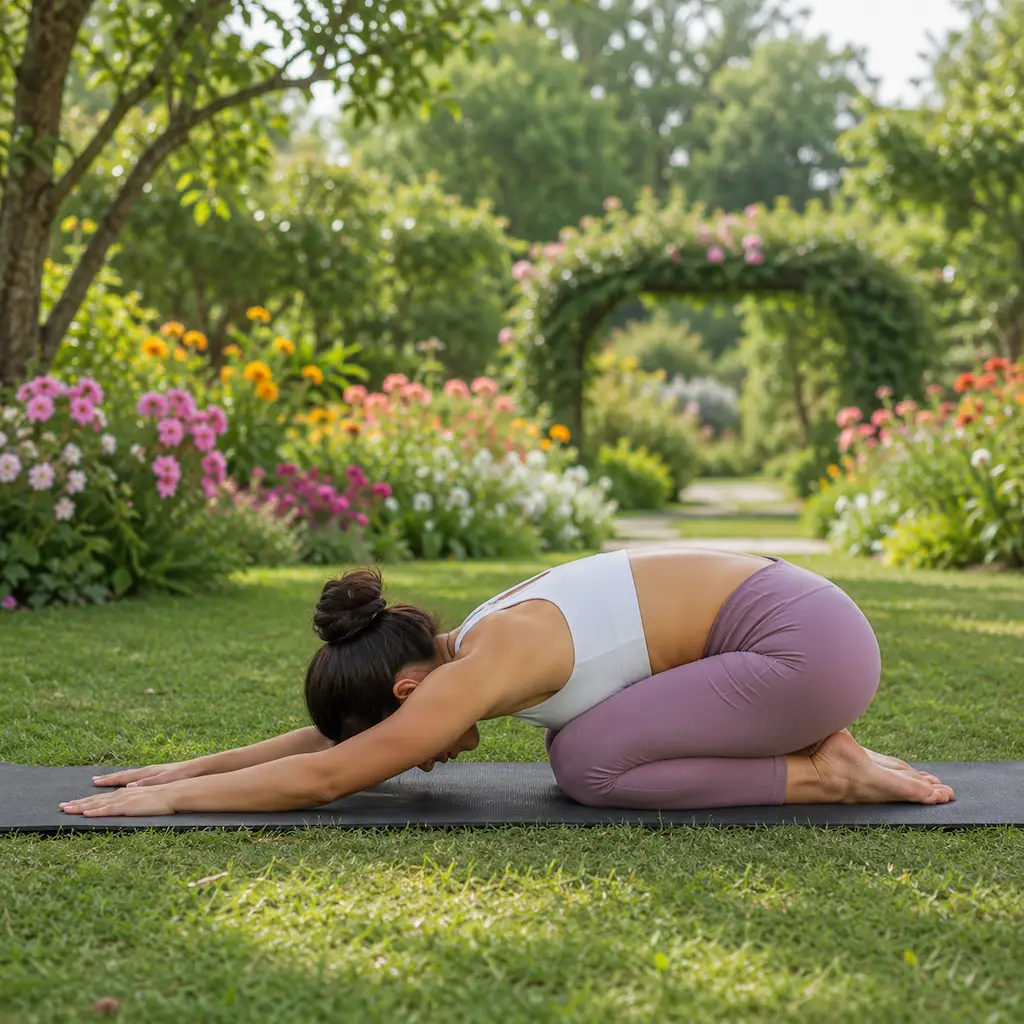
Our specialized geriatric care programs at onlineyogaclass.in teach seniors how to move in complete harmony with their body's safe physical boundaries. By pairing gentle, prop-assisted movements with smart health habits, we ensure your internal circulation lines remain fully open without introducing any skeletal strain. This tailored approach is why our global students report not only a total elimination of morning joint stiffness but a profound restoration of independent movement, confidence, and daily physical vitality.

About Shringarika Mishra
Gold Medalist (University of Patanjali) & NET JRF (AIR 2). Research Scholar at Banaras Hindu University (BHU) specializing in Clinical Yoga and Geriatric Wellness Protocols. With over 11 years of experience and 16 published research papers, she provides evidence-based biological healing through onlineyogaclass.in.
Medical Disclaimer: The clinical insights and research-based observations shared in this article are intended entirely for general educational and health awareness purposes, drawing upon baseline physiological pathways evaluated during my clinical research work at BHU. This content can never replace professional medical diagnosis, laboratory profiling, or direct specialist medical care. Always consult with your family physician or medical specialist before beginning any new physical movement protocols.