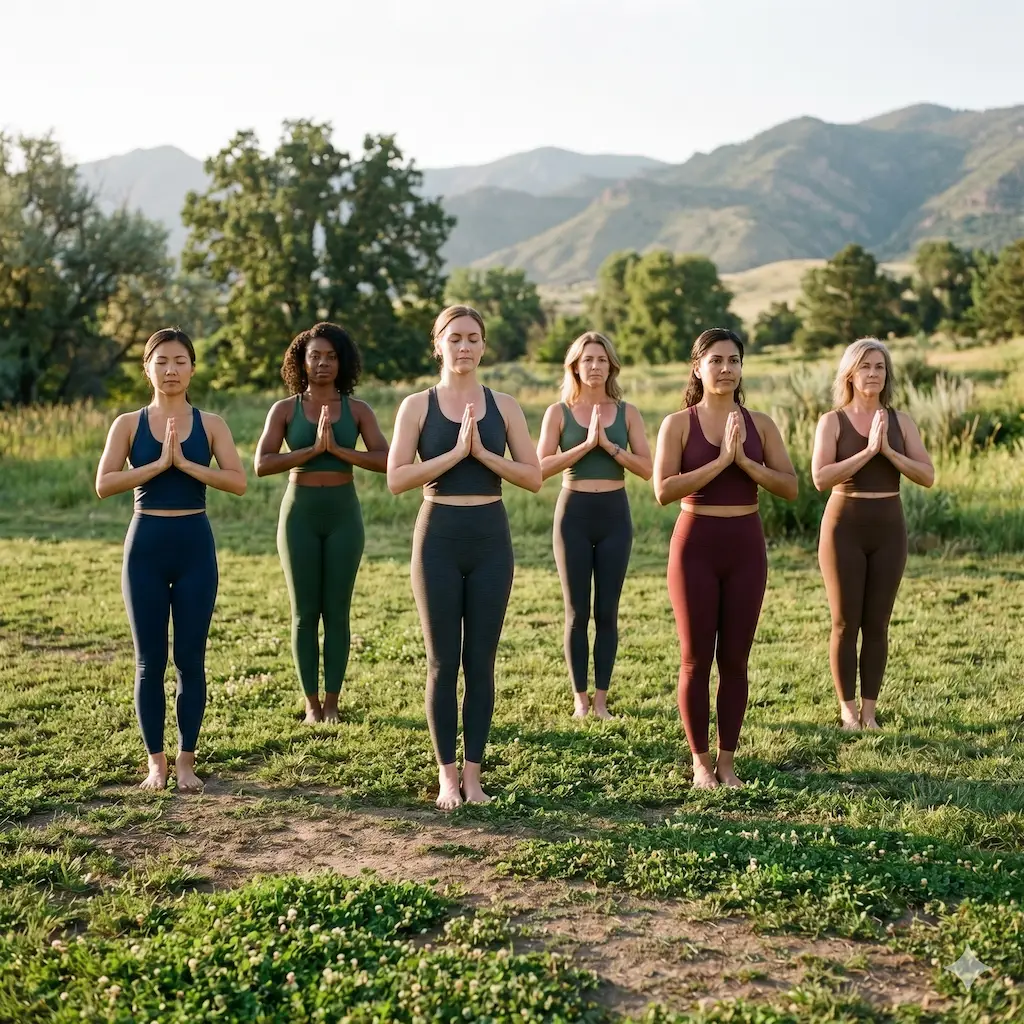
As the human body enters its mature years, our core physical priorities naturally change. Peak performance, high-speed running, and lifting heavy weights step aside to make room for what truly matters: preserving your personal independence, moving without discomfort, and enjoying life on your own terms. One of the most significant and common challenges faced by seniors is a gradual, hidden loss of physical equilibrium. Accidental slips, trips, or sudden missteps are not just simple inconveniences; they are a leading cause of bone injuries, unexpected hospitalizations, and long-term loss of personal confidence in older adults.
During my academic clinical research work at Banaras Hindu University (BHU), I have spent years exploring how low-impact movements modify deep nerve communication channels. A common misconception is that losing your balance is simply an unavoidable consequence of getting older that you just have to accept. In reality, your stability depends on a constant, active dialogue between your brain, your inner ear pathways, and your joint sensors. Pushing your body into complex, aggressive exercises can cause severe joint strain and raise systemic blood pressure. This comprehensive clinical guide will show you how to safely re-wire your natural stability networks, shield your bones from impact, and move through the world with deep, relaxed confidence.
Free Service
Stop guessing your recovery path. Click the button below to text our team directly on WhatsApp. Attach your latest ultrasound or lab reports, and get a private, 15-minute clinical evaluation directly from BHU Research Scholar Shringarika Mishra.
The Internal Blueprint of Aging: Sensory Pathways and Muscle Stabilization
To understand why balance changes as we age, we have to look behind the scenes at how the human brain tracks the body's movements. Staying upright is actually a complex, multi-sided teamwork process. It requires a continuous flow of data coming from your eyes, your inner ear's fluid tunnels, and a highly specialized internal network known as proprioception.
Proprioception is your body's built-in GPS system. It consists of millions of microscopic nerve sensors embedded directly inside your ankles, knee joints, and foot muscles. These sensors tell your brain exactly where your feet are positioned, even when you are walking in the dark or moving across an uneven, rocky surface. Over decades of sitting for long periods, or due to common conditions like osteoarthritis, these tiny joint sensors can become slow and sluggish.
At Sir Sunderlal Hospital (BHU), our clinical observations show that using targeted, gentle holds acts like a sharpening tool for these worn-out sensory pathways. When you hold a safe, modified posture, you force the brain to re-map its connection to your lower limbs, training your stabilizing muscles to activate instantly to catch you before a stumble turns into an accidental fall.
The Psychology of Fear: Breaking the Stiff-Gait Loop
Did you know that a fear of falling is often the exact thing that increases your actual fall risk? When a senior experiences an accidental slip or feels a sudden moment of dizziness, their natural response is to become deeply anxious about it happening again. To compensate, they subconsciously tighten their hips, shorten their walking stride, and stare directly down at their toes while moving. This defensive posture locks the spine in a stiff position and stops the ankles from flexing naturally. By incorporating calming breathing habits into your routine, you stimulate your vagus nerve—the core peace controller of your nervous system. This direct relaxation lowers procedural anxiety, allowing your natural, fluid stride to return and giving your body the space to react fluidly to any unexpected changes underfoot.
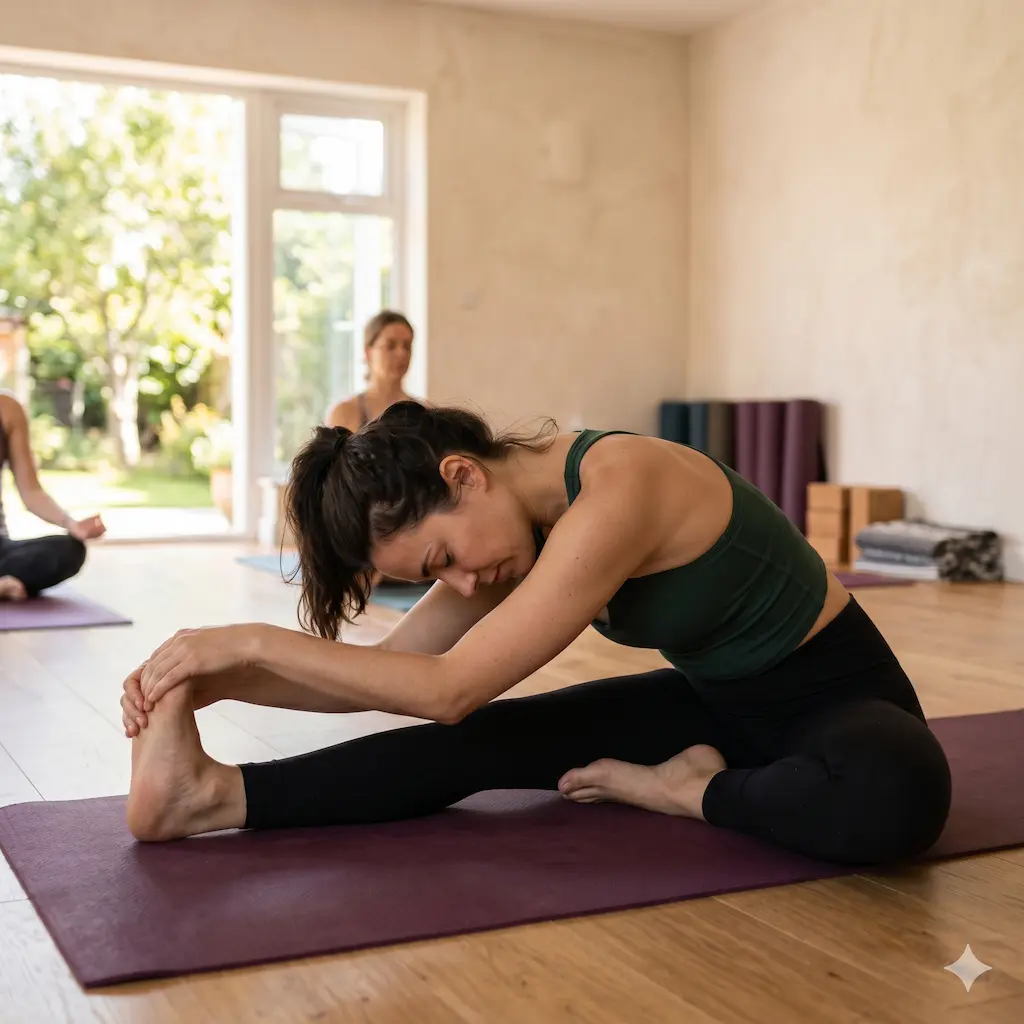
The Three Pillars of Fall Prevention and Structural Safety
Our evidence-based senior wellness protocols at onlineyogaclass.in discard rapid, risky flows completely. We break our target routines down into three clear, accessible areas of physical safety:
-
1
Static Ankle Stability: This relies on using solid wall supports or sturdy wooden chairs to practice gentle, one-legged distributions. This focused practice builds strength in the small tendons and stabilizer muscles surrounding your ankles, giving you a firm, immovable foundation every time you stand.
-
2
Dynamic Weight Calibration: Here, we introduce slow, highly mindful shifts of weight from your left side to your right side. This specific practice mimics common real-world challenges, like stepping safely out of a car, walking up a flights of stairs, or stepping around an unexpected household obstacle.
-
3
Core Structural Alignment: Instead of performing stressful abdominal exercises or intense gym movements that raise internal pressure, we use soft, fully supported isometric holds. This activation strengthens your deep lower back and core muscles, functioning exactly like a natural protective corset to keep your spine safe.
Your Step-by-Step Daily Balance and Restoration Routine
Every single movement in this daily framework is designed to be fully supported, minimizing stress on your knee joints and avoiding any sudden head drops that could cause unexpected blood pressure variations.
1. Supported Reclined Butterfly Pose (Supta Baddha Konasana)
Duration: Hold quietly for 10 to 12 minutes every evening or right before sleep.
How to practice: Come down to sit comfortably on your bed or a soft mat. Slowly rest your upper spine and back flat onto the floor. Bring the soles of your feet together to touch, and let your knees gently open wide to the left and right sides. Place thick pillows or rolled blankets right under your outer thighs. This support is absolutely vital so your lower belly and inner groin do not experience any harsh pulling or muscular strain. Rest your hands softly over your lower abdomen, close your eyes, and allow your body to become completely heavy.
Struggling with Complex Ovarian or Endocrine Conditions?
Don't guess your therapy routine. Share your pelvic ultrasound or lab data directly with our clinical desk for a curated somatic protocol adjustment.
The Biological Response: This supported hold completely unloads physical weight from your pelvic floor. It tells your adrenal glands to stop releasing stress hormones, uncoils tight internal tissues, and encourages warm, fresh circulation to flow directly into your ovarian pathways.
2. Modified Stable Tree Position (Vrikshasana Wall Protocol)
Duration: Maintain a calm hold for 1 minute on each side every morning.
How to practice: Stand completely upright with your left side touching a solid wall or a heavy, non-moving wooden chair. Place your left palm flat against the wall for reliable support. Keeping your gaze fixed on a single stationary point straight ahead of you, slowly slide your right foot up to rest flat against your inner left ankle or calf muscle. Never place your foot directly against your knee joint. Stand tall, roll your shoulders back, and lift your right hand up to your chest. Breathe evenly into your lower chest.
The Biological Response: This supported standing alignment actively retrains your ankle joint receptors to respond instantly to gravity shifts, building functional stability without placing any unneeded strain on your lower back structures.
3. Post-Meal Thunderbolt Posture (Vajrasana)
Duration: Hold for 5 minutes immediately within 10 minutes of finishing your main meals.
How to practice: Find a soft mat or carpeted floor. Kneel down on both knees. Bring your big toes together behind you so they touch, and spread your heels out wide to the sides, creating a comfortable space to sit your seat down directly between your feet. Keep your spine long and straight, roll your chest open, and rest your palms flat on your thighs. Look straight ahead and breathe naturally, allowing your belly to rise and fall softly.
The Biological Response: Kneeling in Vajrasana alters the blood circulation paths in your lower body, temporarily redirecting a warm wave of blood flow away from your legs and straight into your digestive organs. This steps up your digestive fire, eliminates post-meal bloating, and assists your body in processing and clearing out glucose from your meal.
4. Supported Legs-Up-The-Wall Posture (Viparita Karani)
Duration: Sit and hold for 10 minutes every evening when you feel physically or mentally fatigued.
How to practice: Place your yoga mat or a soft blanket directly up against an open wall. Sit sideways with one hip pressing against the wall. In one gentle, fluid movement, lower your upper back flat down onto the floor while swinging your legs straight up against the wall. Your body will form a comfortable L-shape. Slide a soft pillow or folded blanket directly under your lower back and hips to keep your pelvis slightly elevated. Relax your arms out to your sides with your palms facing upward, and let all the tension drain from your thighs.
The Biological Response: This posture reverses the daily effects of gravity on your circulatory system. It assists stagnant fluids in draining safely back out of your lower limbs, relieves pelvic congestion, and guides your brain into a state of deep cellular restoration.

Building Cognitive Resilience: Coordination as a Brain Workout
Maintaining perfect equilibrium is as much a mental practice as it is a physical skill. Moving slowly with conscious focus demands intense attention from your brain's executive control systems, acting exactly like an internal, life-stamina workout for your neurological pathways.
By learning how to connect your breath smoothly with every physical weight transition, you naturally expand your attention span, clear away internal fatigue, and boost your daily mental clarity. This enhanced cognitive awareness is vital for navigating crowded spaces, recognizing unexpected steps or floor changes quickly, and ensuring you feel completely secure, independent, and safe in any environment you choose to explore.
Why Informed, Evidence-Based Geriatric Care is Vital
Standard public yoga classes or generic online fitness tutorials are very often entirely unsuited for a mature skeletal framework. They frequently include fast posture changes, heavy weight bearing on arthritic wrists, or deep forward folds that can compromise your bone safety or cause sudden drops in blood circulation.
Our specialized care programs at onlineyogaclass.in treat every single adaptation as a precise, purposeful biological adjustment. We work alongside your body's natural capabilities, using sturdy props and gentle techniques to help you ease joint stiffness, reinforce your physical equilibrium, and safeguard your active lifestyle for years to come.

About Shringarika Mishra
Gold Medalist (University of Patanjali) & NET JRF (AIR 2). Research Scholar at Banaras Hindu University (BHU) specializing in Clinical Yoga and Neuro-Metabolic Integration. With over 11 years of active research experience and 16 published scientific papers, she provides evidence-based biological healing through onlineyogaclass.in.
Medical Disclaimer: The clinical research findings and lifestyle protocols shared in this article are intended entirely for general educational and health-awareness purposes, drawing on physiological systems analyzed during my clinical research at BHU. This content cannot replace professional medical diagnosis, specialized metabolic blood panels, or medical endocrinology oversight. If you experience unexpected extreme rapid weight shifts, severe clinical depression, or severe abdominal pain, please consult a medical physician immediately.