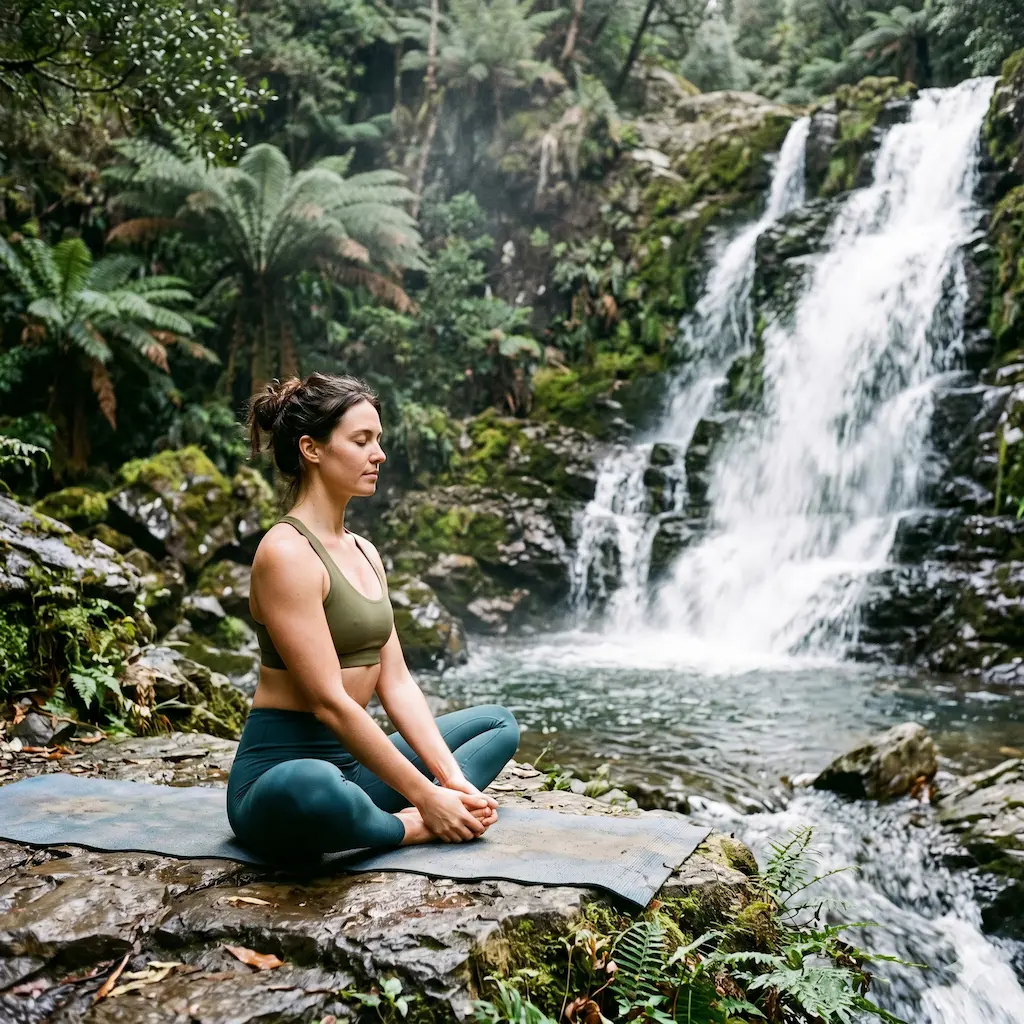
When you are looking for a way to recover your health, lower your daily stress, or balance your hormones, it is incredibly easy to get confused by modern fitness advice. Very often, you will see Yoga and Pilates grouped together in the exact same category. They are both called "low-impact exercises," done on a simple mat, and praised for building a strong mind-body connection. However, when we look closely at how the human body processes energy, handles chemical pathways, and reacts to stress, these two systems are completely different.
During my clinical research work at Banaras Hindu University (BHU), I have spent years exploring how structural movements change the deeper inner systems of our bodies. One major fact that science has proven is that chronic issues like PCOS, PCOD, thyroid problems, and fertility challenges are never just isolated organ issues. They are full-body systemic responses to an overloaded nervous system and energy imbalances. Pushing your body into the wrong kind of activity can actually increase your internal stress markers and slow down your healing journey. This comprehensive clinical guide will break down the true scientific differences between Yoga and Pilates, show you how they affect your master hormones, and provide you with a specialized daily routine to restore your health naturally.
Free Service
Stop guessing your recovery path. Click the button below to text our team directly on WhatsApp. Attach your latest ultrasound or lab reports, and get a private, 15-minute clinical evaluation directly from BHU Research Scholar Shringarika Mishra.
Deconstructing the Foundations: History, Mechanics, and Cellular Purpose
To understand which practice your body truly requires right now, we need to take a step back and see why these systems were created in the first place. Their core design determines how they affect your internal organs, your blood flow patterns, and your cellular health.
| Core Feature |
Clinical Yoga Protocol |
Modern Pilates System |
| Historical Origin |
An ancient system born in India over 5,000 years ago, designed as a holistic framework for the mind, body, and nervous system. |
Developed in the early 20th century by Joseph Pilates, specifically focused on physical injury rehabilitation and core strength. |
| Primary Physical Focus |
Static, purposeful holds that utilize soft alignments to stimulate internal organs and clear out cellular stagnation. |
Continuous, repetitive movements centered entirely around the Powerhouse (the core muscles, spine, and lower back). |
| Nervous System Impact |
Activates the Parasympathetic pathway (Rest & Heal) immediately to lower systemic cortisol and optimize insulin sensitivity. |
Maintains a mild Sympathetic engagement (Action) to build athletic endurance, muscle definition, and core control. |
In our clinical work, we view authentic Yoga as a profound tool for Restorative Endocrinology. When you practice a traditional yoga posture with soft alignments, you are not just stretching a muscle; you are communicating directly with your Neuro-Endocrine-Immune (NEI) axis. The static holds create a gentle compression around your internal glands, acting like a reset switch for your chemical messengers. Pilates, on the other hand, is a masterpiece of mechanical alignment. It is brilliant for stabilizing your spine, correcting posture after an injury, and building lean muscle tissue. However, because it keeps your core muscles constantly contracted and requires constant physical effort, it functions more like a structural exercise than an internal healing protocol.
The Biology of Breath: Prana vs. Lateral Ribcage Breathing
The way you breathe during your daily session tells your brain exactly what to do with your metabolic pathways. It changes your heart rate variability, guides your blood pressure, and tells your body whether it is safe to digest food and balance hormones, or if it needs to prepare for an external emergency.
-
1
The Clinical Yoga Way (Pranayama): In our specialized yoga protocols, breath is the direct vehicle for mental and cellular transformation. We use specific techniques like Nadi Shodhana (Alternate Nostril Breathing) or Chandra Bhedana to stimulate your Vagal Tone. This means we are directly talking to the vagus nerve, which tells your heart to calm down, relaxes tightly gripped pelvic walls, and helps lower systemic inflammation markers all over your body.
-
2
The Pilates Way (Lateral Breathing): Pilates uses what is called "Lateral" or thoracic breathing. You are taught to breathe deeply into your side ribs while pulling your belly button tight against your spine. This technique is incredibly helpful for protecting your lower back during heavy or complex movements, but it keeps your abdominal muscles under continuous tension. This intentional tension serves a great athletic purpose, but it does not provide the cooling, deeply restorative response required to heal an exhausted endocrine system.
An Important Biological Truth
Did you know that when your body is operating under high daily anxiety or dealing with metabolic issues like insulin resistance, your cells naturally go into a protective freeze state? Pushing yourself through rapid fitness classes, intense abdominal crunches, or heavy, stressful gym workouts can actually trick your brain into believing you are in danger. This misunderstanding triggers an internal surge of cortisol, which acts like a major safety brake in your system, shutting down normal ovulation patterns, increasing visceral fat storage around the stomach, and leaving you feeling deeply exhausted. True internal restoration requires soft, deliberate positions that teach your nervous system that it is entirely safe to heal.
Long-Term Impact: Managing PCOS, Metabolic Health, and Fertility
When choosing between these two paths, you must look at your personal health history and long-term health goals. If you are dealing with irregular menstrual cycles, stubborn belly weight, early hair thinning, or constant fatigue, your body is showing clear signs of endocrine overload.
-
1
Pelvic Micro-Circulation: Many reproductive health issues are caused by pelvic stagnation—where tight muscles and emotional tension restrict smooth, oxygenated blood flow to the lower abdomen. Clinical yoga uses targeted floor poses and slow inversions to gently open up these tight spaces, delivering clean oxygen and nutrients to your ovaries and uterus, which is foundational for natural conception and healthy periods.
-
2
Insulin Sensitivity Optimization: Visceral fat retention and intense sweet cravings are classic signs of insulin resistance, meaning your cells are ignoring the sugar in your bloodstream. The long, deep, static holds found in therapeutic hatha and restorative yoga protocols help activate glucose transporter pathways in your muscles naturally, allowing your body to clear out sugar and process food energy efficiently without causing joint exhaustion.
-
3
Postural and Structural Strength: Pilates truly shines when your main health concern is structural. If you are recovering from a lower back injury, looking to close an abdominal separation after pregnancy (diastasis recti), or wanting to tone your core muscles to improve your athletic running or lifting form, the controlled resistance of Pilates provides perfect, safe physical support.
My Specialized Technique: Neuro-Vascular Somatic Calibration
During my clinical research years at BHU, I observed that standard, fast-moving group exercise routines often leave women with hormonal imbalances feeling completely drained and achy. To solve this, I developed an evidence-based approach called Neuro-Vascular Somatic Calibration.
Instead of focusing on muscle burning or sweating, this method relies on using soft yoga props—like long pillows, blocks, and folded blankets—to place the human body into passive, supported floor positions. When your structural framework is fully supported, your brain instantly drops its survival defense responses. This biological release opens up tight, narrowed blood vessels, allowing blood flow to drop straight into your reproductive organs, clearing out long-standing physical blockages, and assisting your body's natural chemical recovery.
Your Step-by-Step Daily Restorative Routine
1. Supported Reclined Butterfly Pose (Supta Baddha Konasana)
Duration: Hold quietly for 10 to 12 minutes every evening or right before sleep.
How to practice: Come down to sit comfortably on your bed or a soft mat. Slowly rest your upper spine and back flat onto the floor. Bring the soles of your feet together to touch, and let your knees gently open wide to the left and right sides. Place thick pillows or rolled blankets right under your outer thighs. This support is absolutely vital so your lower belly and inner groin do not experience any harsh pulling or muscular strain. Rest your hands softly over your lower abdomen, close your eyes, and allow your body to become completely heavy.
Struggling with Complex Ovarian Conditions?
Don't guess your therapy routine. Share your pelvic ultrasound or lab data directly with our clinical desk for a curated somatic protocol adjustment.
The Biological Response: This supported hold completely unloads physical weight from your pelvic floor. It tells your adrenal glands to stop releasing stress hormones, uncoils tight internal tissues, and encourages warm, fresh circulation to flow directly into your ovarian pathways.
2. Left-Nostril Soothing Breathwork (Chandra Bhedana Pranayama)
Duration: Practice for 5 to 7 minutes every morning on an empty stomach.
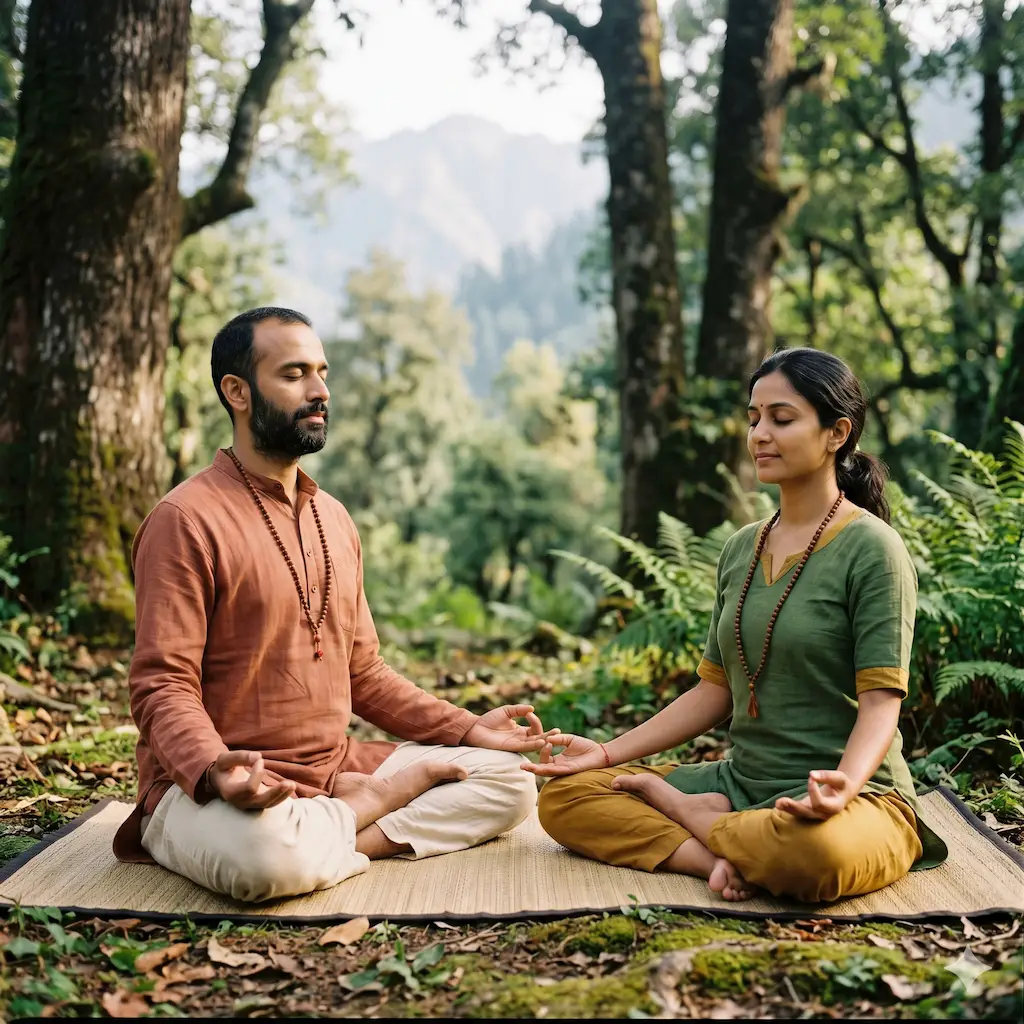
How to practice: Sit upright in a comfortable cross-legged position, using a cushion under your seat to keep your spine straight, tall, and relaxed. Drop your shoulders down. Rest your left hand on your thigh and bring your right hand up to your nose. Close your eyes softly. Use your right thumb to gently close your right nostril. Inhale slowly and quietly through your open left nostril for a count of 4 seconds. Then, lift your thumb, use your ring finger to close your left nostril, and exhale smoothly through your right nostril for a count of 6 seconds. Repeat this steady pattern: always inhaling left, always exhaling right.
The Biological Response: This breath protocol works like an immediate calming brake for your nervous system. It lowers elevated blood pressure variations, reduces systemic anxiety, and expands the tiny micro-circulation channels inside your endocrine glands.
3. Post-Meal Thunderbolt Posture (Vajrasana)
Duration: Hold for 5 minutes immediately within 10 minutes of finishing your main meals.
How to practice: Find a soft mat or carpeted floor. Kneel down on both knees. Bring your big toes together behind you so they touch, and spread your heels out wide to the sides, creating a comfortable space to sit your seat down directly between your feet. Keep your spine long and straight, roll your chest open, and rest your palms flat on your thighs. Look straight ahead and breathe naturally, allowing your belly to rise and fall softly.
The Biological Response: Kneeling in Vajrasana alters the blood circulation paths in your lower body, temporarily redirecting a warm wave of blood flow away from your legs and straight into your digestive organs. This steps up your digestive fire, eliminates post-meal bloating, and assists your body in processing and clearing out glucose from your meal.
4. Supported Legs-Up-The-Wall Posture (Viparita Karani)
Duration: Sit and hold for 10 minutes every evening when you feel physically or mentally fatigued.
How to practice: Place your yoga mat or a soft blanket directly up against an open wall. Sit sideways with one hip pressing against the wall. In one gentle, fluid movement, lower your upper back flat down onto the floor while swinging your legs straight up against the wall. Your body will form a comfortable L-shape. Slide a soft pillow or folded blanket directly under your lower back and hips to keep your pelvis slightly elevated. Relax your arms out to your sides with your palms facing upward, and let all the tension drain from your thighs.
The Biological Response: This posture reverses the daily effects of gravity on your circulatory system. It assists stagnant fluids in draining safely back out of your lower limbs, relieves pelvic congestion, and guides your brain into a state of deep cellular restoration.
Why Expert Clinical Guidance is Essential for Lasting Healing
Living with irregular periods, stubborn bloating, mood fluctuations, or persistent energy crashes is not a personal failure that you simply have to tolerate or accept as normal. These symptoms are your body's intelligent way of telling you that its internal regulation centers are running under an overwhelming chronic load. Pushing yourself through extreme, sweaty workout classes or exhausting fitness regimes will only leave your body feeling more depleted.
Our evidence-based clinical care programs at onlineyogaclass.in are carefully designed to help you listen to your body's internal signals and clear out deep-rooted blockages safely. By combining simple, highly practical daily habits with soft, scientifically backed movements, we help you restore your internal health pathways without causing physical exhaustion, allowing you to live a life full of clarity, calm, and genuine physical strength.

About Shringarika Mishra
Gold Medalist (University of Patanjali) & NET JRF (AIR 2). Research Scholar at Banaras Hindu University (BHU) specializing in Clinical Yoga and Neuro-Metabolic Integration. With over 11 years of active research experience and 16 published scientific papers, she provides evidence-based biological healing through onlineyogaclass.in.
Medical Disclaimer: The clinical research findings and lifestyle protocols shared in this article are intended entirely for general educational and health-awareness purposes, drawing on physiological systems analyzed during my clinical research at BHU. This content cannot replace professional medical diagnosis, specialized metabolic blood panels, or medical endocrinology oversight. If you experience unexpected extreme rapid weight shifts, severe clinical depression, or severe abdominal pain, please consult a medical physician immediately.