Deconstructing the Mechanism: Sugar, Pancreas, and the Cellular Lock
To understand how to help your body feel better, we must understand what happens inside your cells when diabetes begins to develop. Moving past complex terms makes it easy to see that managing sugar is actually about unlocking doors inside your tissues so your body can use food for real strength.
| Biological Element |
What It Does in a Balanced Body |
The Real Problem in Type 2 Diabetes |
| Glucose (Blood Sugar) |
Acts as the clean fuel that your muscles and brain burn to keep you moving and active. |
It gets stuck floating inside your bloodstream because the doors to your cells remain tightly shut. |
| Insulin (The Key) |
A natural messenger hormone made by your pancreas to unlock cell doors so sugar can enter safely. |
Your pancreas makes plenty of keys, but the cellular locks have become rusted and clogged by internal stress. |
| Insulin Resistance (The Clogged Lock) |
Cells listen to insulin immediately, absorbing sugar quickly and keeping your bloodstream clear. |
Cells ignore the insulin signal entirely, forcing the pancreas to overwork while sugar levels build up dangerously. |
The primary challenge in Type 2 Diabetes is Insulin Resistance—where cells stop responding effectively to insulin. When you look at standard metabolic tracking, high blood sugar is simply the outer symptom of this internal communication breakdown. Because the muscle cells are starving for energy, they keep demanding more fuel, which causes you to feel constant exhaustion even if you are eating regularly. Clinical yoga addresses this root breakdown directly. By utilizing specific isometric holds and deep twisting asanas, we create a physical "massaging" effect on the pancreas and abdominal organs. This gentle stimulation, combined with long, controlled respiration, changes the pressure inside your core, clears out metabolic stagnation, and drastically improves glucose uptake by the muscles, effectively lowering blood sugar levels naturally without forcing your heart to race.
The Common Symptoms: Signals of an Overloaded Metabolism
Because this condition alters both your internal chemical signaling and how your body extracts energy from food, its warning signs can show up across multiple physical systems. Depending on your personal routine, these signs usually fall into three major categories:
-
1
Energy Crashes and Brain Fog: Experiencing intense, heavy sleepiness right after eating meals, feeling a sudden drop in focus in the middle of the day, or waking up completely exhausted even after sleeping for eight full hours.
-
2
Circulation and Sensation Changes: Noticing strange tingling, coldness, or a "pins and needles" numbness in your toes and fingertips, along with slow healing of small scratches, dry patches on your skin, or frequent skin irritations.
-
3
Thirst and Storage Fluctuations: Feeling an unquenchable, dry thirst that makes you drink water constantly, needing to use the restroom frequently throughout the night, having intense, sudden cravings for sweets, and finding it incredibly difficult to shed stubborn fat around your midsection.
An Interesting Biological Fact
Did you know that stress is a silent, direct driver of high blood sugar that operates independently of the food you eat? When your mind is trapped in a state of continuous rush or worry, your survival nervous system enters a chronic 'fight or flight' mode. This response triggers a constant release of cortisol and adrenaline. These stress hormones act as an emergency alarm, signaling your liver to immediately dump extra stored glucose straight into your bloodstream to prepare you for a physical emergency. If you are sitting quietly at a desk while this happens, that extra sugar has nowhere to go. This biological reality proves that you cannot fully stabilize your metabolism without actively calming your nervous system, as mental tension alone can keep your blood sugar elevated.
The Long-Term Implications: Why You Must Take Action
Leaving a metabolic imbalance unmanaged or relying solely on external tools without changing your internal cellular environment can lead to significant health challenges over time. When your blood remains filled with excess sugar, that sticky glucose damages the delicate walls of your blood vessels, leading to several long-term health risks:
-
1
Nerve and Micro-Vascular Damage: Chronic sugar spikes restrict blood flow to the body's smallest capillaries, frequently increasing the risk of diabetic peripheral neuropathy, eye fatigue, and reduced long-term kidney efficiency.
-
2
Cardiovascular Strain: Excess circulating glucose thickens the blood, making it harder for your heart to pump smoothly, which over time can impact blood pressure balances and arterial elasticity.
-
3
Hormonal System Exhaustion: Forcing your pancreas to constantly churn out massive amounts of insulin to overcome resistant cells can eventually exhaust your glandular reserves, making long-term blood sugar stabilization much more difficult.
How Yoga Overcomes the Internal Freeze
When your body is managing a sensitive metabolic challenge like Type 2 Diabetes, forcing yourself through exhausting, breathless gym exercises, heavy cardio, or sudden starvation routines can actually backfire. Your body interprets extreme physical exhaustion as an added layer of danger, causing your stress hormones to spike even higher, which locks your liver into releasing more glucose and worsens cellular resistance.
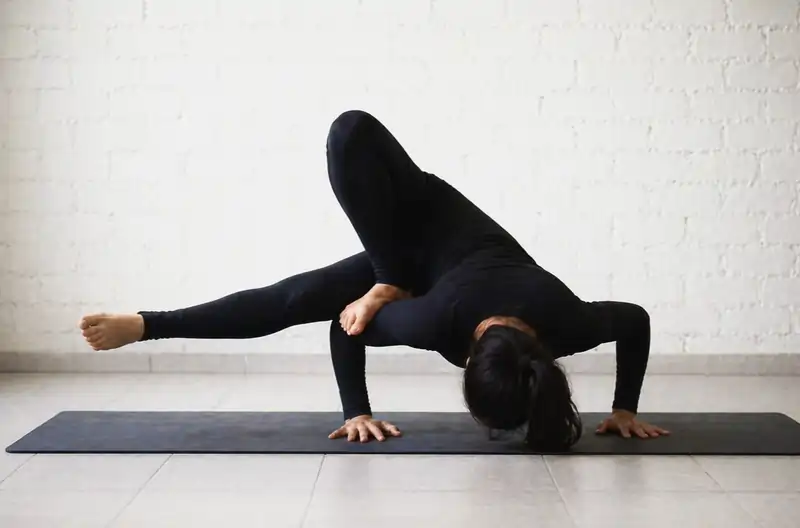
Clinical yoga helps your body step away from this internal emergency state. By focusing heavily on Vagal Tone stimulation and specific Pranayama (breathing techniques), we switch your nervous system into the 'rest and digest' state. This shift instantly stops stress-induced sugar dumps, opens up constricted blood vessels, and allows the body to clear out glucose smoothly. By combining these breathing tools with mindful floor positions, we stimulate deep abdominal circulation, helping your muscle tissues clear out sugar from your meals without putting any harmful mechanical strain on your joints.
My Specialized Technique: Neuro-Vascular Somatic Calibration
During my clinical research at BHU, I developed a unique method designed specifically for hormonal and metabolic recovery, which I call Neuro-Vascular Somatic Calibration. This technique moves away from generic, fast-paced exercise flows, focusing instead on how gentle structural positions affect your internal nervous system and hormonal glands.
Our method relies on using soft supports like thick pillows and yoga blocks to hold your body in passive floor positions. When your muscles do not have to work hard to hold a pose, your brain drops its stress response immediately. This tells your internal pathways to open up, allowing fresh blood to flow directly into your ovaries and uterus, clearing out stagnation and restoring your natural health rhythms.
The Complete, Detailed Guide to Your Daily Healing Asanas
1. Supported Reclined Butterfly Pose (Supta Baddha Konasana)
Time to Hold: 10 to 12 minutes every night right before you go to sleep.
Step-by-Step Instructions: Sit down comfortably on your bed or on a soft yoga mat. Slowly lower your upper body down until you are lying completely flat on your back. Bring the bottoms of your feet together so they touch, and let your knees gently drop open wide to the left and right sides. Slide thick bed pillows or rolled blankets directly under your outer thighs and knees. This support is essential so your inner groin and lower belly do not feel any pulling or stretching strain. Rest your palms flat on your lower stomach, close your eyes softly, and let your entire body become heavy.
How it helps your body: This passive hold completely unloads weight from your pelvic floor and lower core muscles. It calms down the high-stress signals coming from your adrenal glands, helps release fluid accumulation around your ovaries, and encourages fresh, warm blood flow to return to your reproductive center.
2. Left-Nostril Soothing Breathwork (Chandra Bhedana Pranayama)
Time to Practice: 5 to 7 minutes every morning before you eat your breakfast.
Step-by-Step Instructions: Sit up nice and tall in a comfortable cross-legged position on your bed or floor, using a pillow under your seat to keep your spine straight and relaxed. Relax your shoulders down. Rest your left hand on your knee and bring your right hand up to your face. Softly close your eyes. Use your right thumb to gently press and close your right nostril. Inhale slowly, quietly, and deeply through your open left nostril for a silent count of 4 seconds. Then, lift your thumb and use your ring finger to gently close your left nostril, and exhale all the air out smoothly through your right nostril for a silent count of 6 seconds. Continue this pattern: always breathing in through the left, and always breathing out through the right.
Why it works: This specialized breathing style works like an immediate brake for your survival nervous system. It lowers circulating stress hormones, reduces blood pressure variations, and helps open up internal micro-circulation channels that have been narrowed by daily anxiety.
3. Post-Meal Thunderbolt Posture (Vajrasana)
Time to Hold: 5 minutes immediately after finishing your lunch and dinner.
Step-by-Step Instructions: Within 10 minutes of finishing your meal, find a soft surface or mat. Kneel down on both knees. Bring your big toes together behind you so they touch, and separate your heels out wide to the sides, creating a comfortable space to sit your seat down between your feet. Keep your back straight, your chest open, and rest your palms flat on your thighs. Look straight ahead and breathe naturally, allowing your belly to move softly with every breath.
Why it works: Kneeling in Vajrasana alters the blood flow in your lower body, directing a warm wave of circulation away from your legs and straight into your digestive system. This steps up your digestive energy, prevents bloating, and helps your body process and clear out glucose from your food much more effectively.
4. Supported Legs-Up-The-Wall Posture (Viparita Karani)
Time to Hold: 10 minutes every evening when you come home from work or feel tired.
Step-by-Step Instructions: Bring your yoga mat or a blanket right up against an open wall. Sit sideways with your hip touching the wall. In one smooth motion, gently roll your upper body down flat onto your back while swinging your legs straight up the wall. Your body will now look like an L-shape, with your back flat on the floor and your legs resting against the wall. Slide a soft pillow or folded blanket directly under your lower back and hips to keep them slightly elevated. Let your arms relax out to the sides with your palms facing up. Completely relax your thigh muscles.
Why it works: This posture reverses the regular pull of gravity on your lower limbs. It helps stagnant pelvic fluids drain back toward your central circulation, reduces swelling and bloating in your legs and lower abdomen, and tells your nervous system to move into a deep state of restoration and cellular recovery.
Why Professional Somatic Guidance Restores Lasting Health
Dealing with continuous weight stalls, stubborn blood sugar spikes, morning exhaustion, or poor circulation is not a personal failure that you simply have to accept. These frustrating changes are clear signs that your internal regulatory systems are working under a heavy load of daily lifestyle stress and cellular communication gaps.
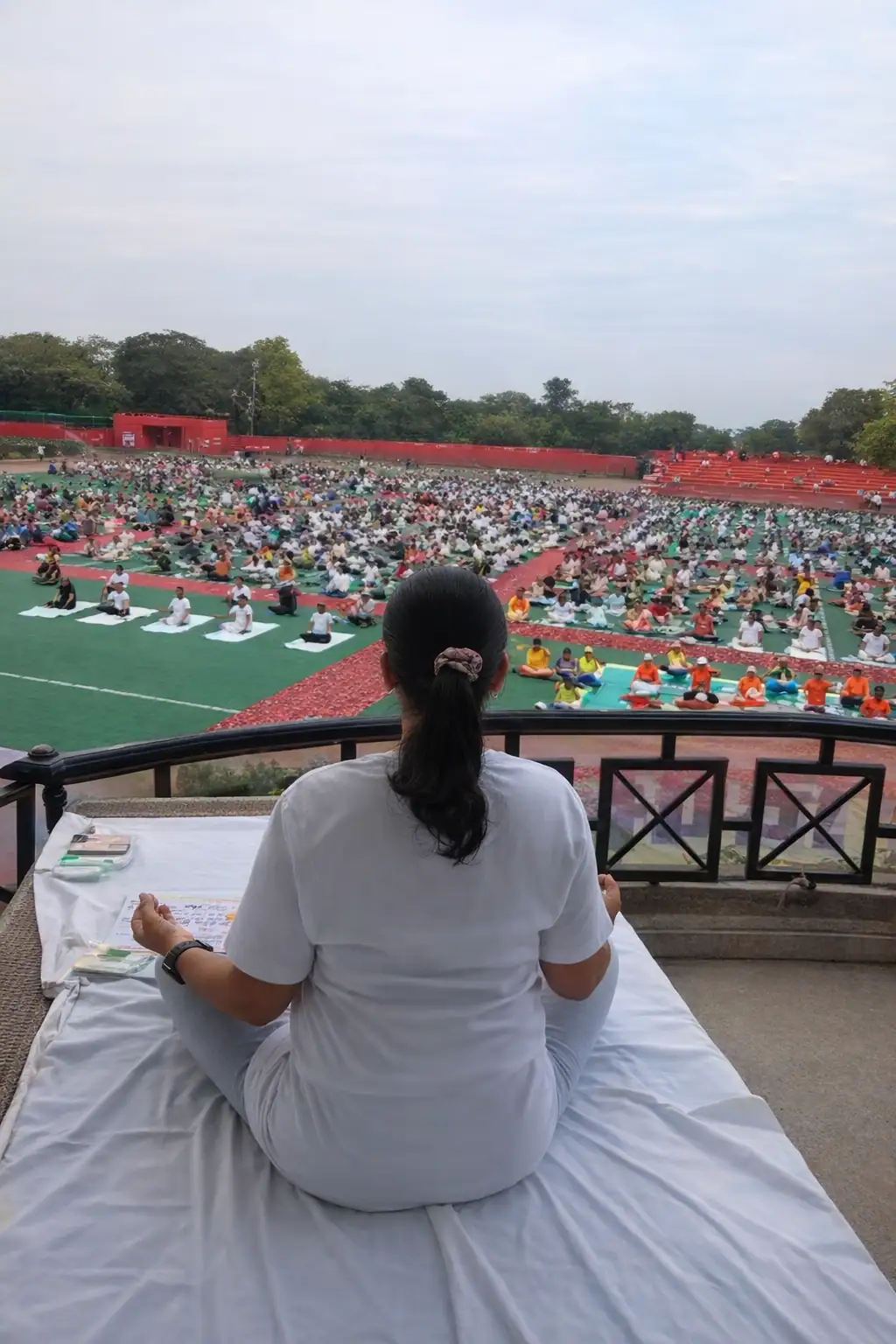
Our specialized metabolic health and diabetes care batch programs at onlineyogaclass.in teach you how to listen to your body's true internal feedback and resolve blockages safely. At our clinic, we recognize that every patient has completely different physical thresholds and baseline numbers. Our 11+ years of experience ensure that asanas are modified to avoid sudden drops in glucose (hypoglycemia) while still providing the precise therapeutic intensity required to stimulate deep metabolic activity. From helping teams at GAIL India Limited to guiding international clients, our team provides evidence-based guidance for every movement. By combining simple, practical daily breathing habits with soft, low-impact positions, you avoid pushing your body into extra exhaustion, ensuring your internal channels stay fully open, leaving you feeling light, calm, and completely anchored in your natural strength.

About Shringarika Mishra
Gold Medalist (University of Patanjali) & NET JRF (AIR 2). Research Scholar at Banaras Hindu University (BHU) specializing in Clinical Yoga and Neuro-Metabolic Integration. With over 11 years of experience and 16 published research papers, she provides evidence-based biological healing through onlineyogaclass.in.
Medical Disclaimer: This research-based article is for educational purposes only and not a substitute for professional medical advice, diagnosis, or treatment. Always consult with your physician before beginning any new clinical yoga protocol. The clinical observations and lifestyle protocols shared in this article are intended entirely for general educational and health-awareness purposes, drawing on physiological systems analyzed at my clinical research at BHU. This content cannot replace professional medical diagnosis, specialized metabolic blood panels, or medical endocrinology oversight. If you experience unexpected extreme rapid weight shifts, severe clinical depression, or severe abdominal pain, please consult a medical physician immediately.